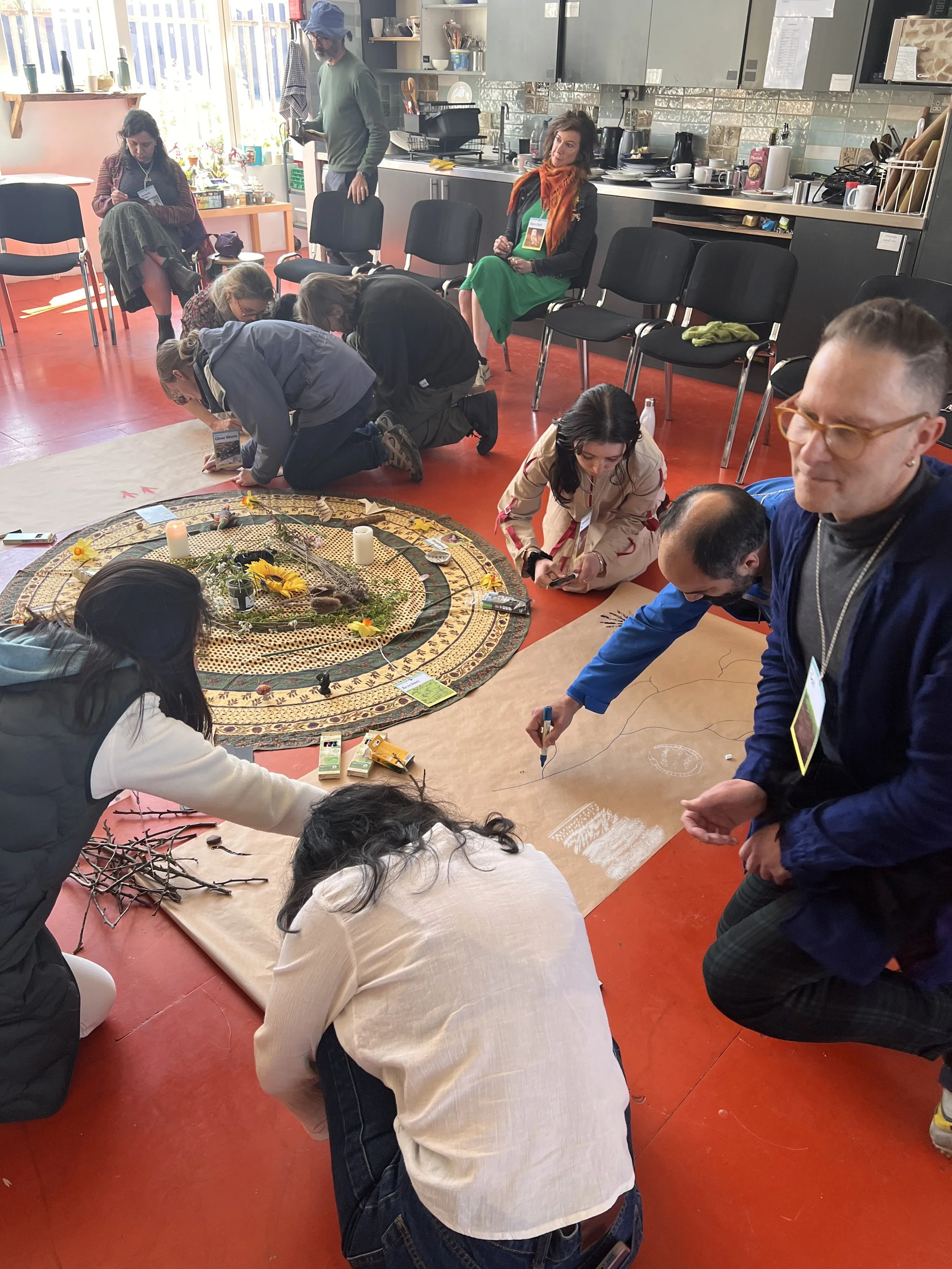
A More-Than-Human Response to Defra’s Land Use Consultation
Imagine a world where decisions aren’t just made with humans in mind — but also informed by the living world. Where important choices about the land are made in dialogue with rivers, trees, birds, and soil…
That’s the vision we held as we prepared our response to the Department for Environment, Food & Rural Affairs’s (Defra) long-awaited Land Use Framework for England ahead of setting its vision and strategy.
When Defra finally invited contributions to its new framework, our partners, the food and land charity Foodrise, welcomed the opportunity. But while there was much to welcome in the framework, they were struck – though not surprised – by its deeply human-centred lens. It was all about producing food for humans, providing housing for humans, protecting ecosystems for humans.
For whom? Always, and only, for humans.
At a time when ecosystems are collapsing and species are disappearing, they felt dismayed that the government department responsible for the environment and rural life wasn’t putting the needs of other species front and centre.
The living world was framed as a service provider – a backdrop and resource. But when policy only reflects human interests and economic needs, the results are catastrophic to the ecological systems we rely on.
If Defra isn’t for the curlew, the barn owl, the river, the ash and the oak — who in government is?
That question is what guided Foodrise to approach us in Spring 2025.
They wanted to use our Interspecies Council methodology as a way to create a more-than-human response to Defra’s Land Use Consultation. We were immediately in.
Meanwhile, a group called wyrd futures had been experimenting with using the Interspecies Council in the context of working with the land and with farmers, as part of their work on land stewardship.
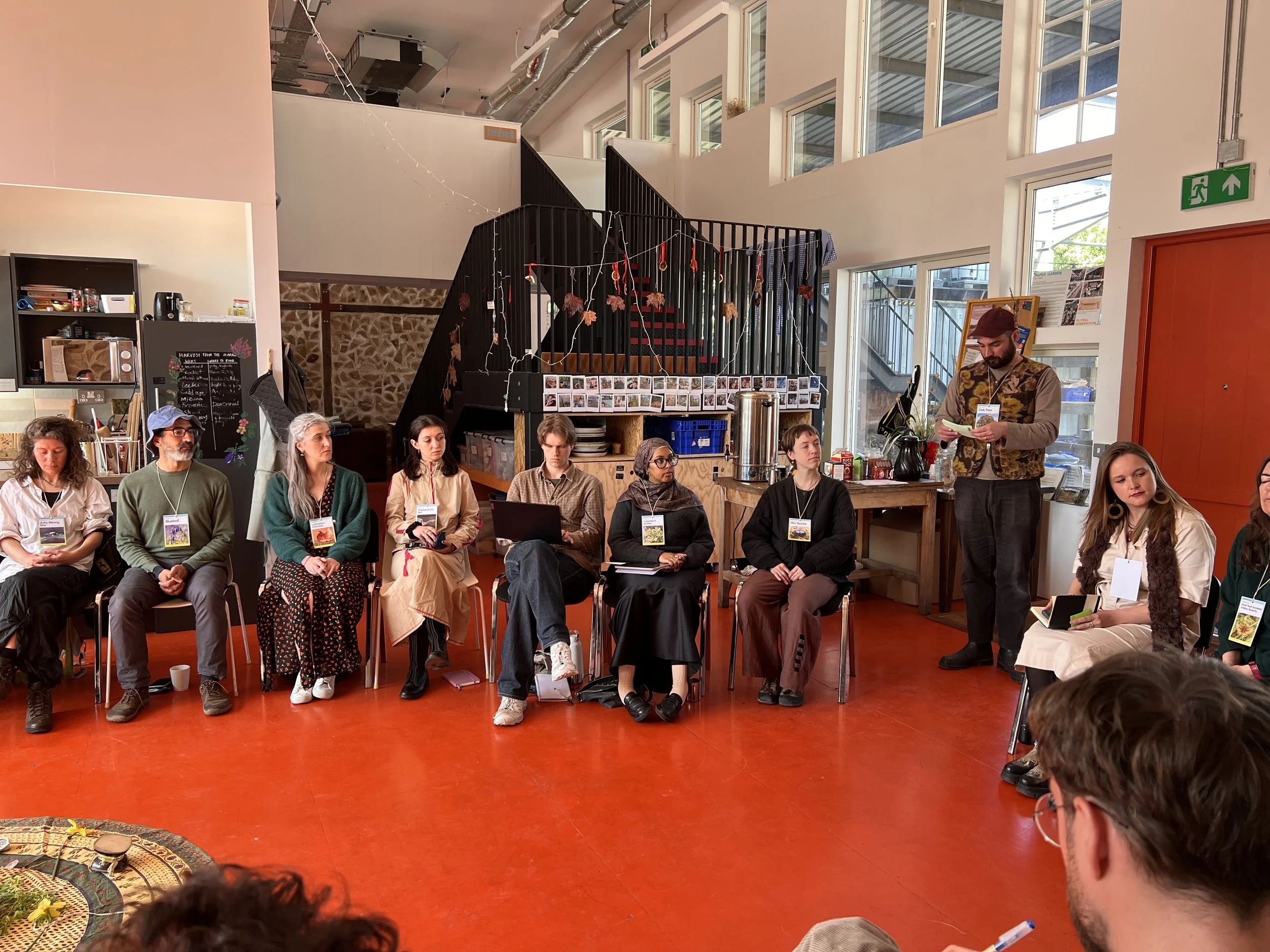
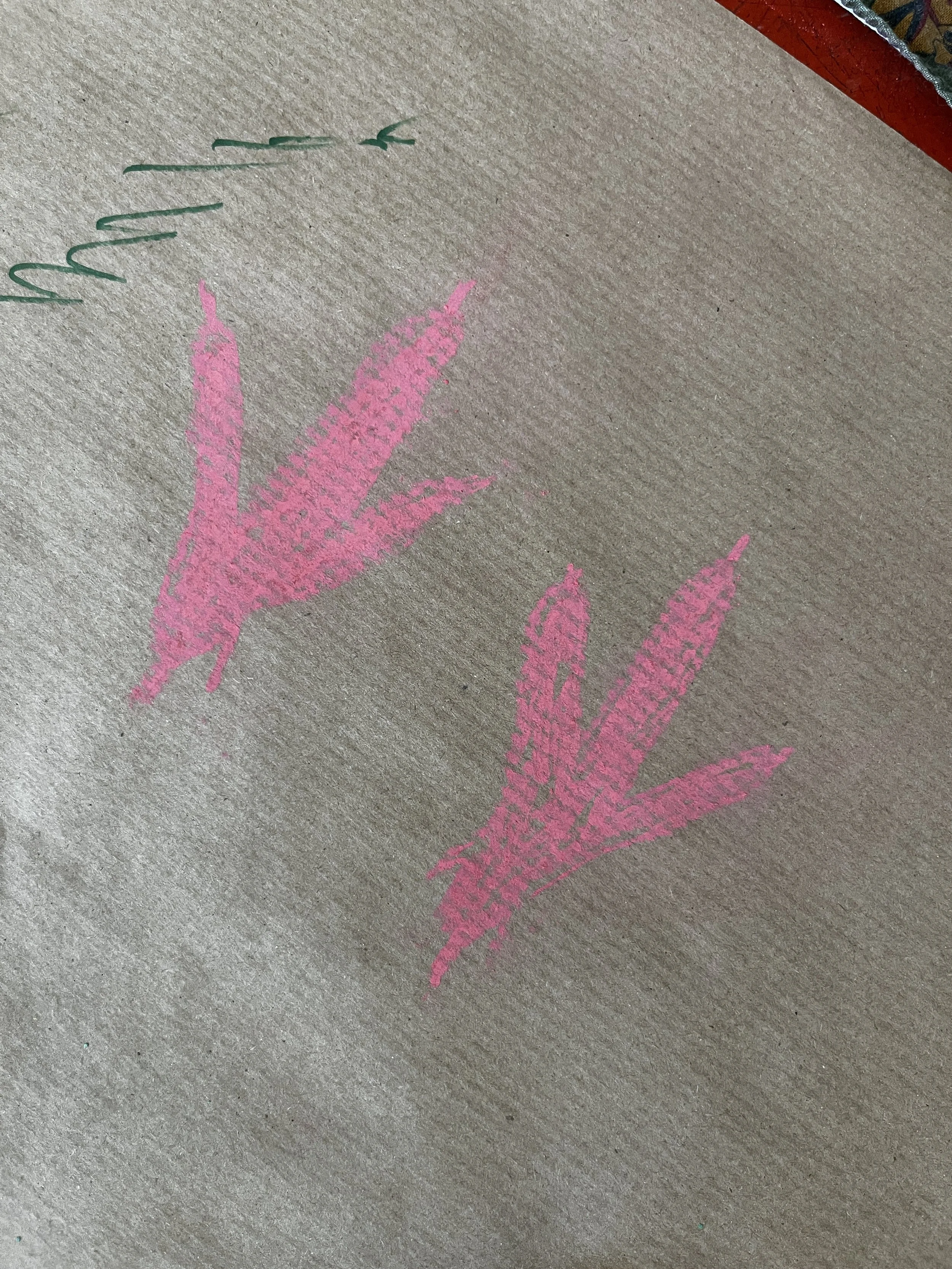
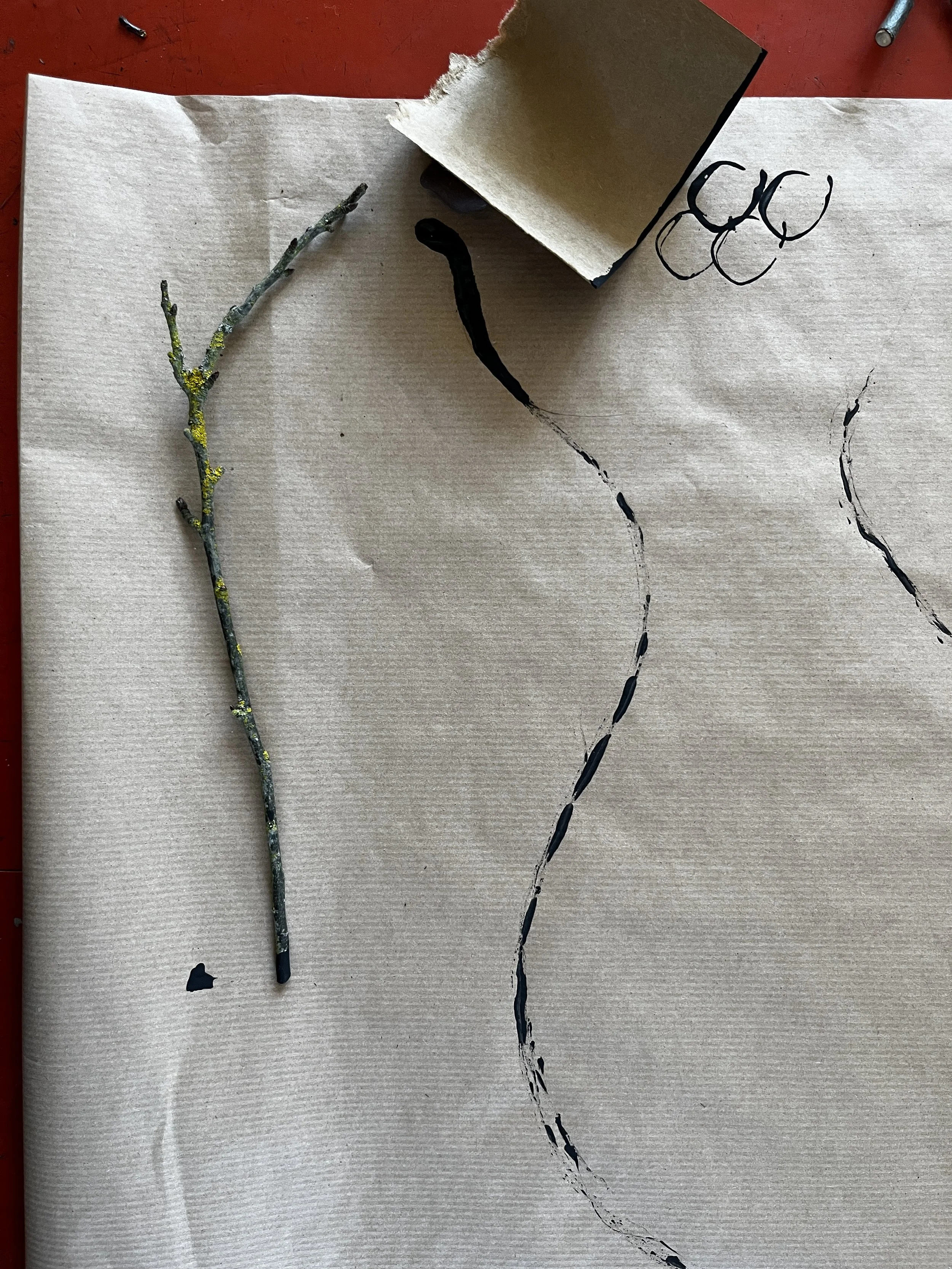
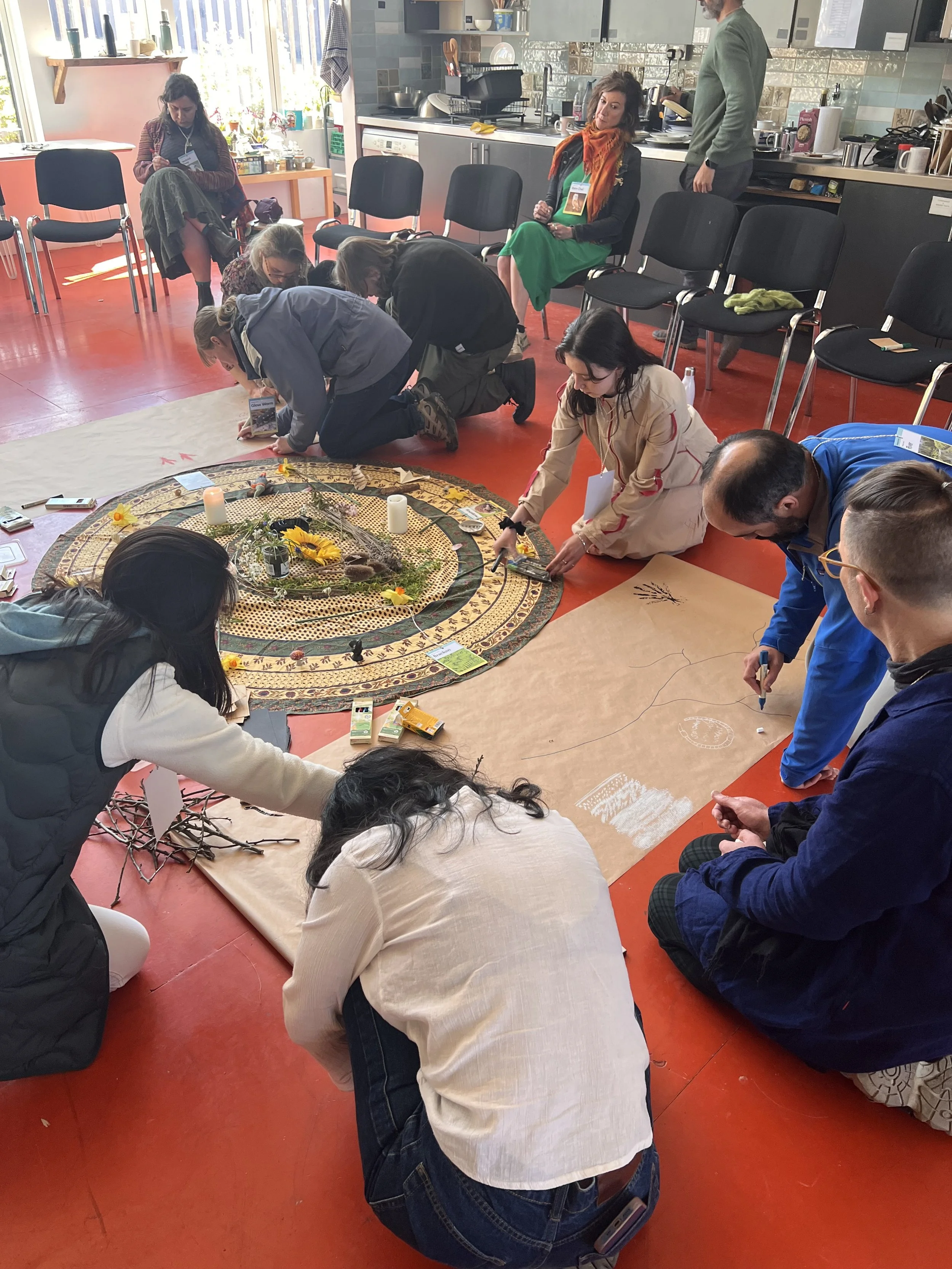
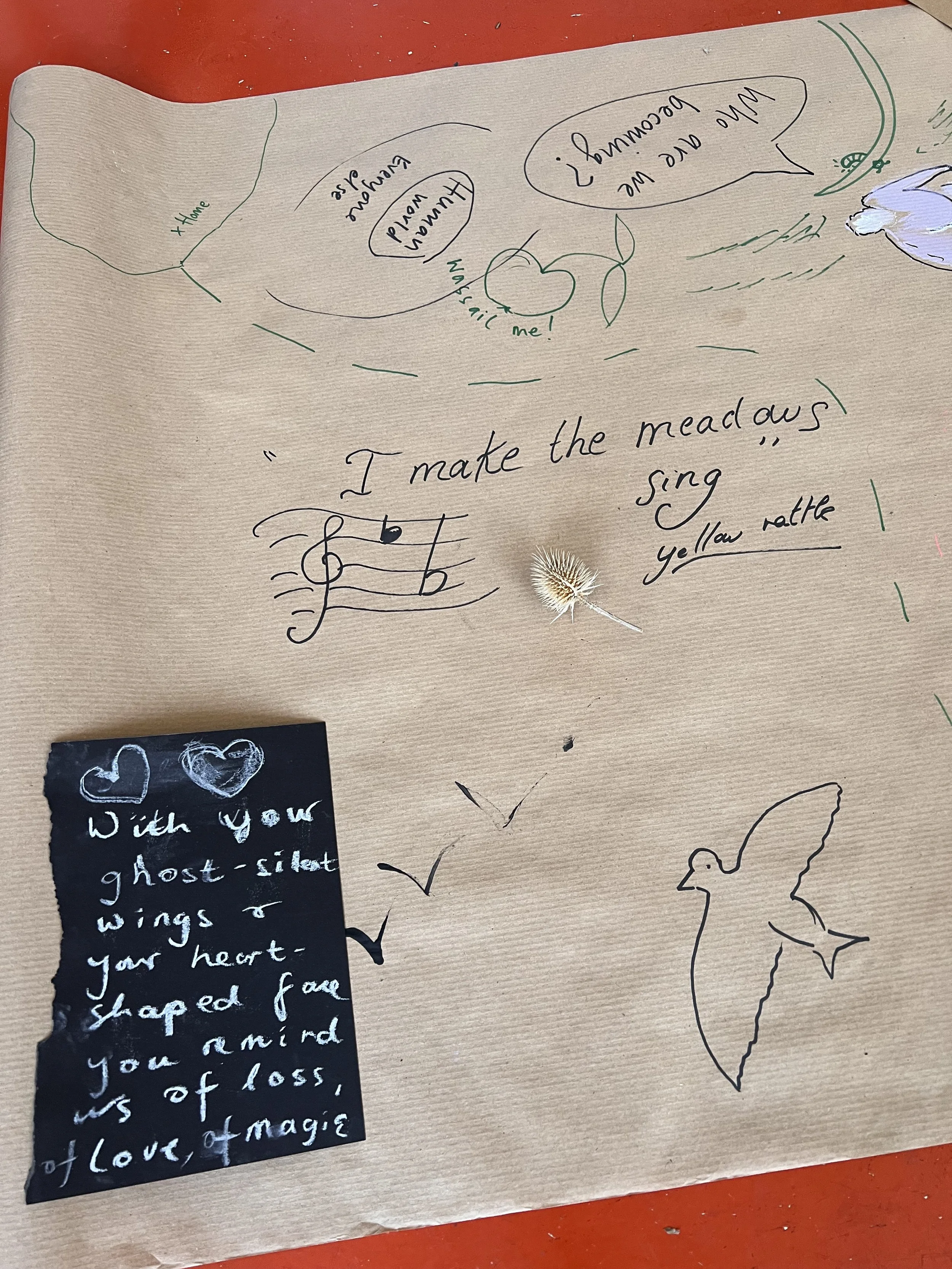
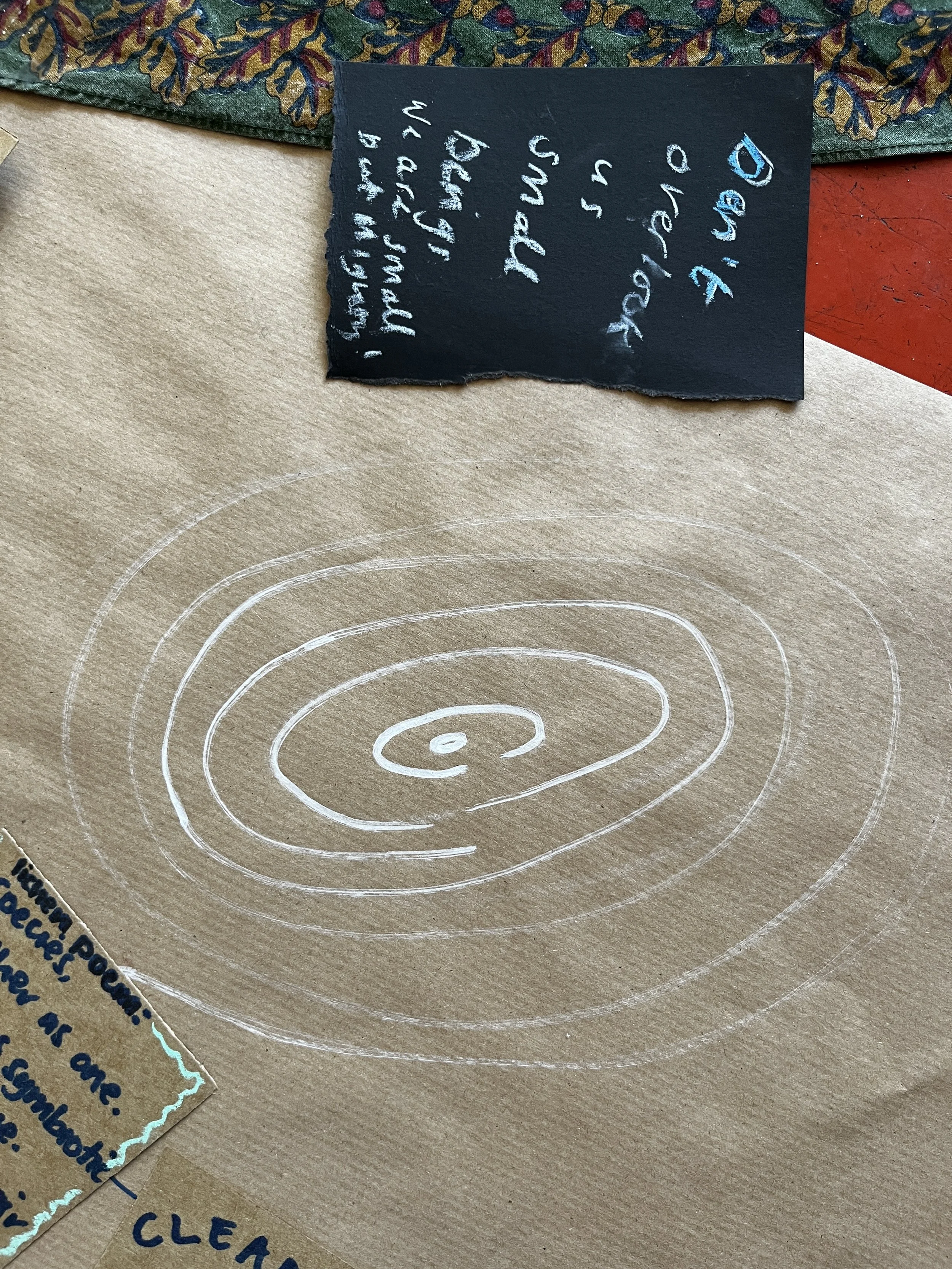
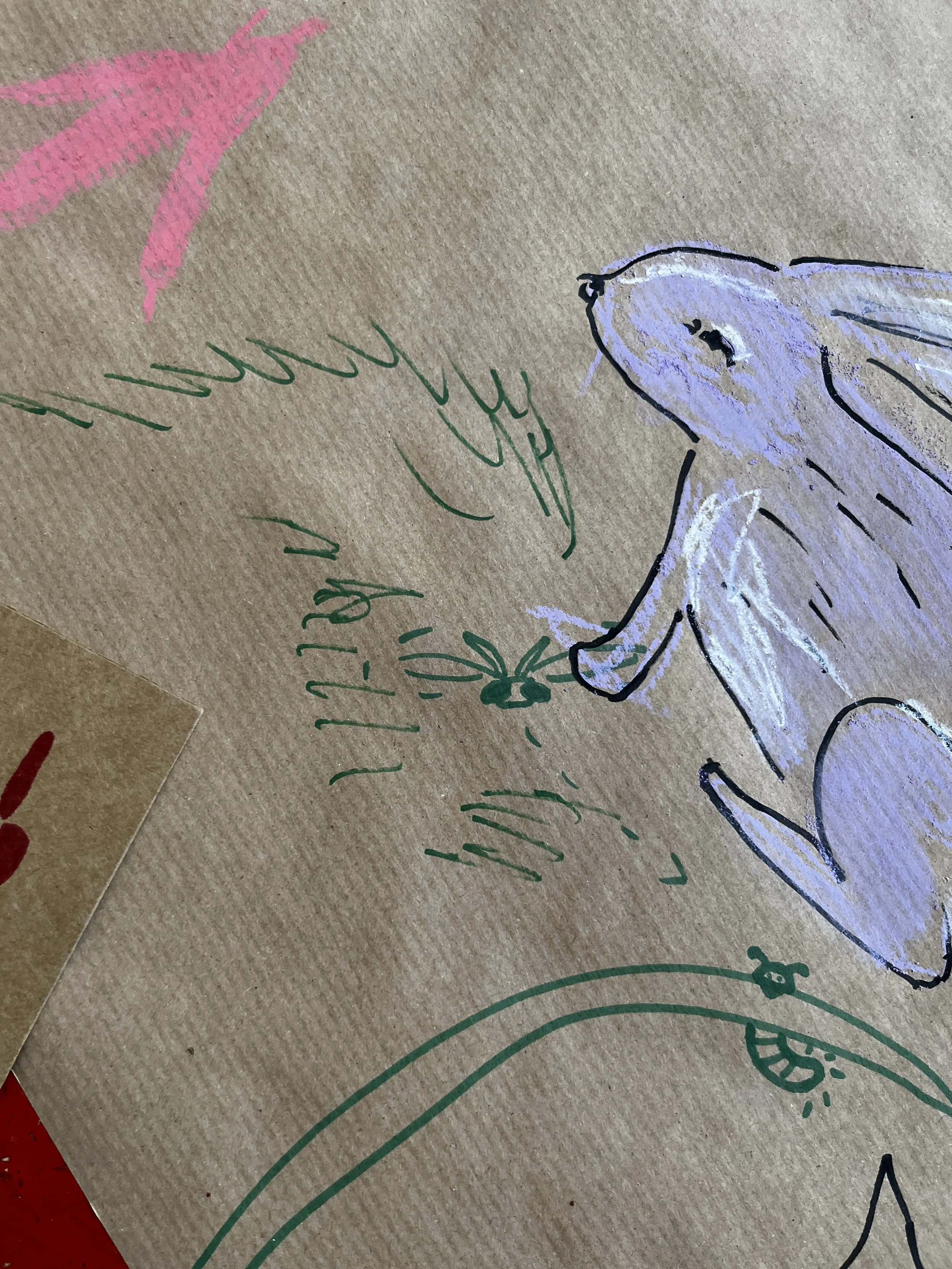
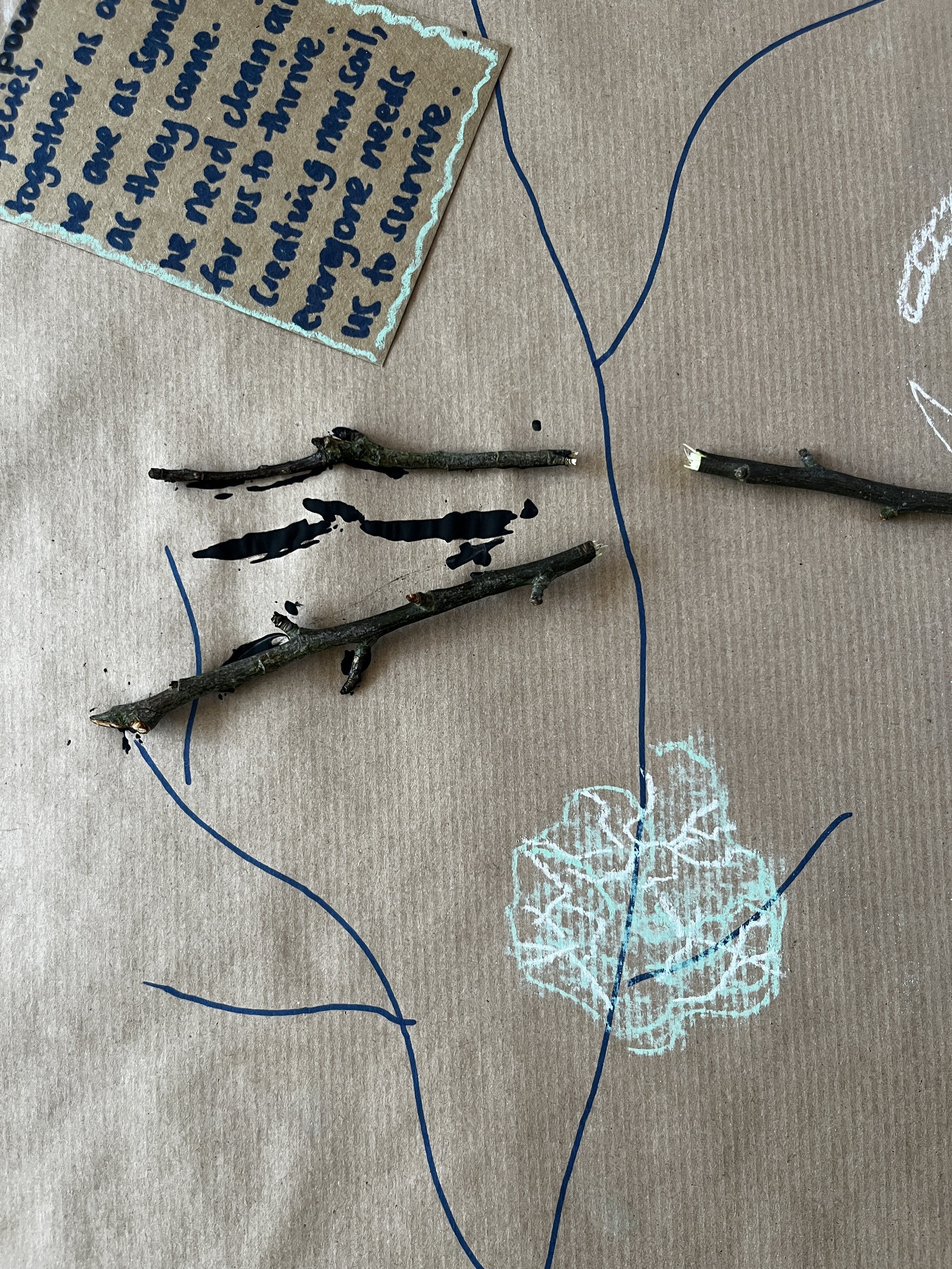
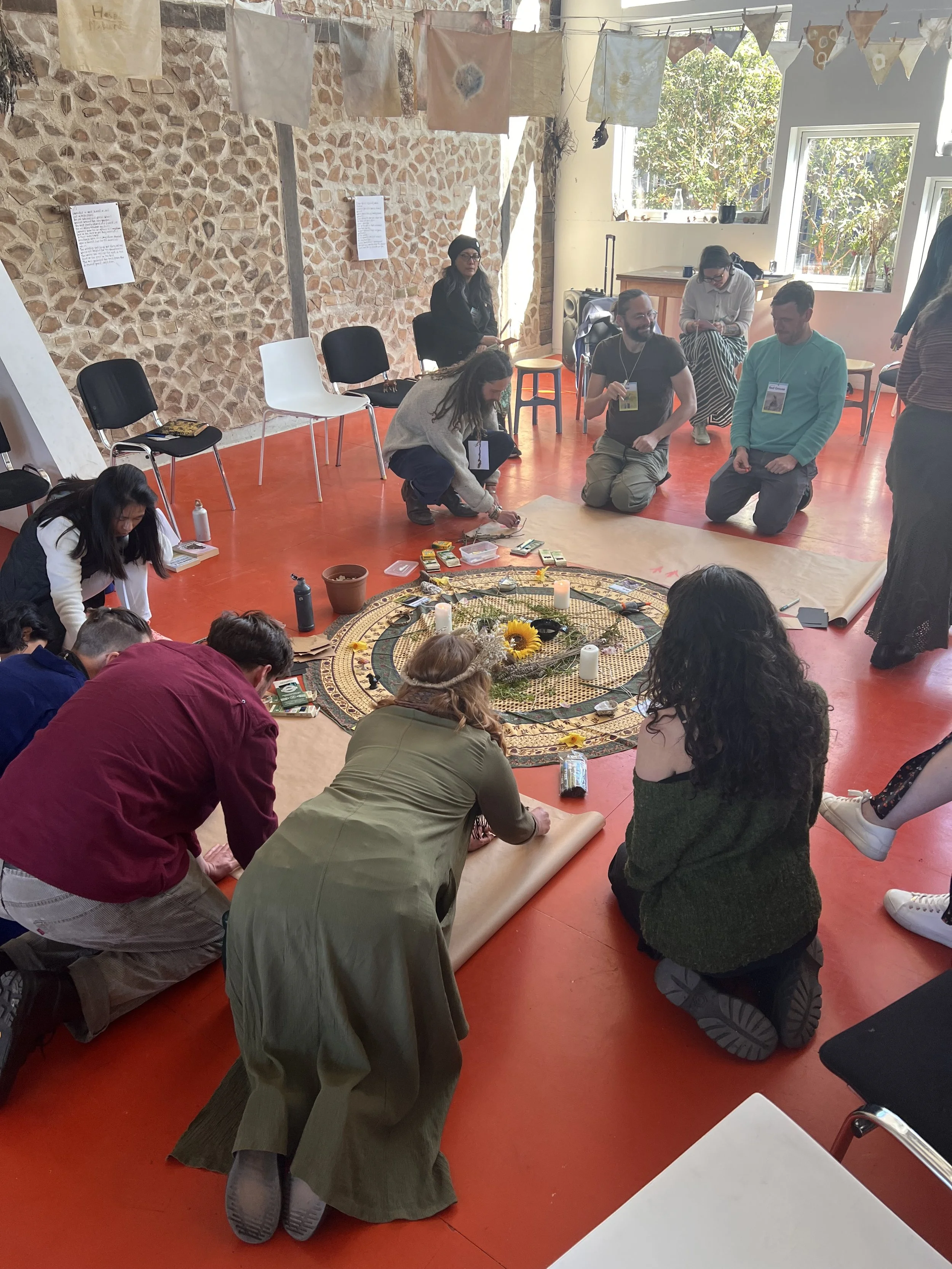
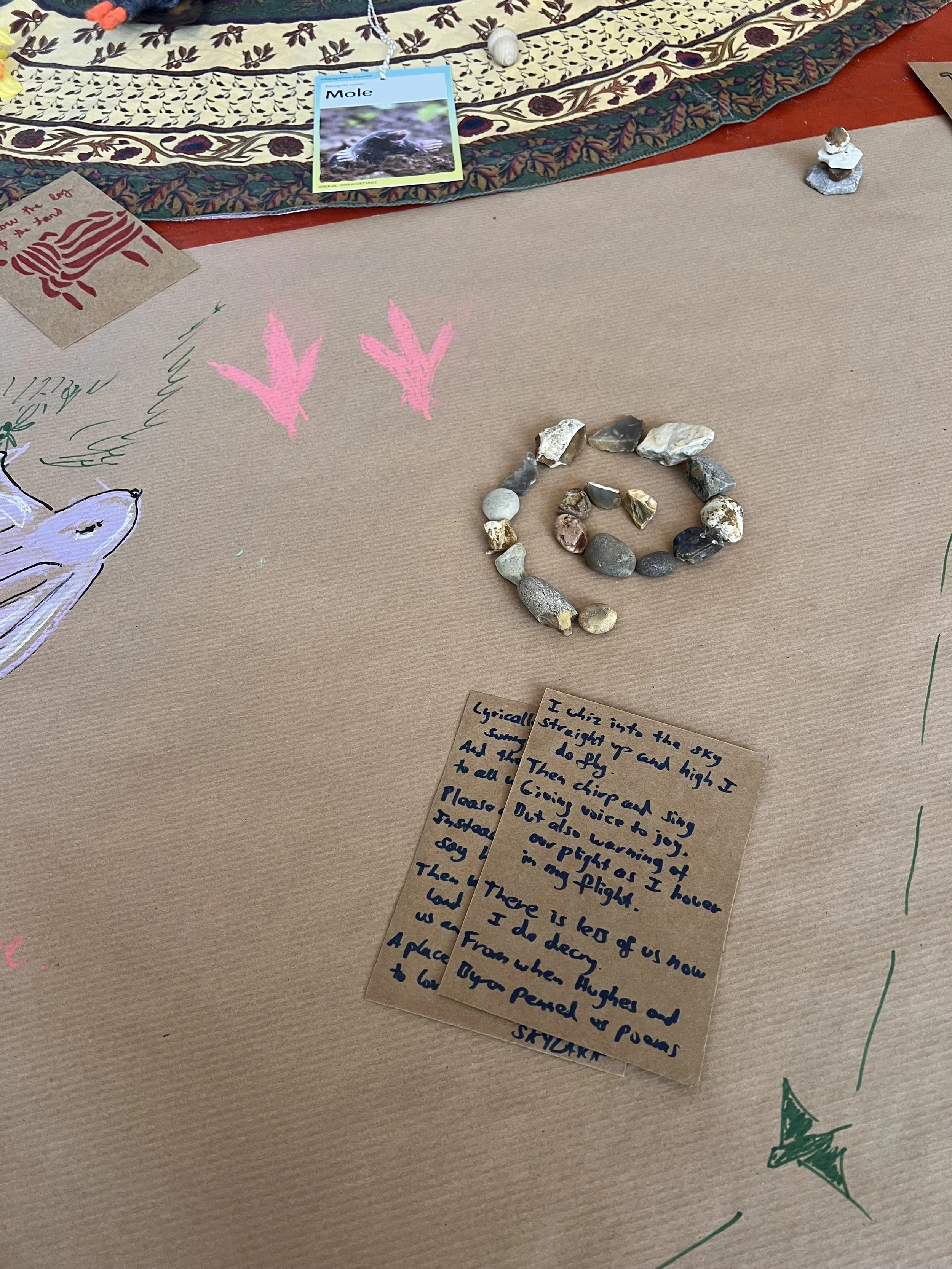
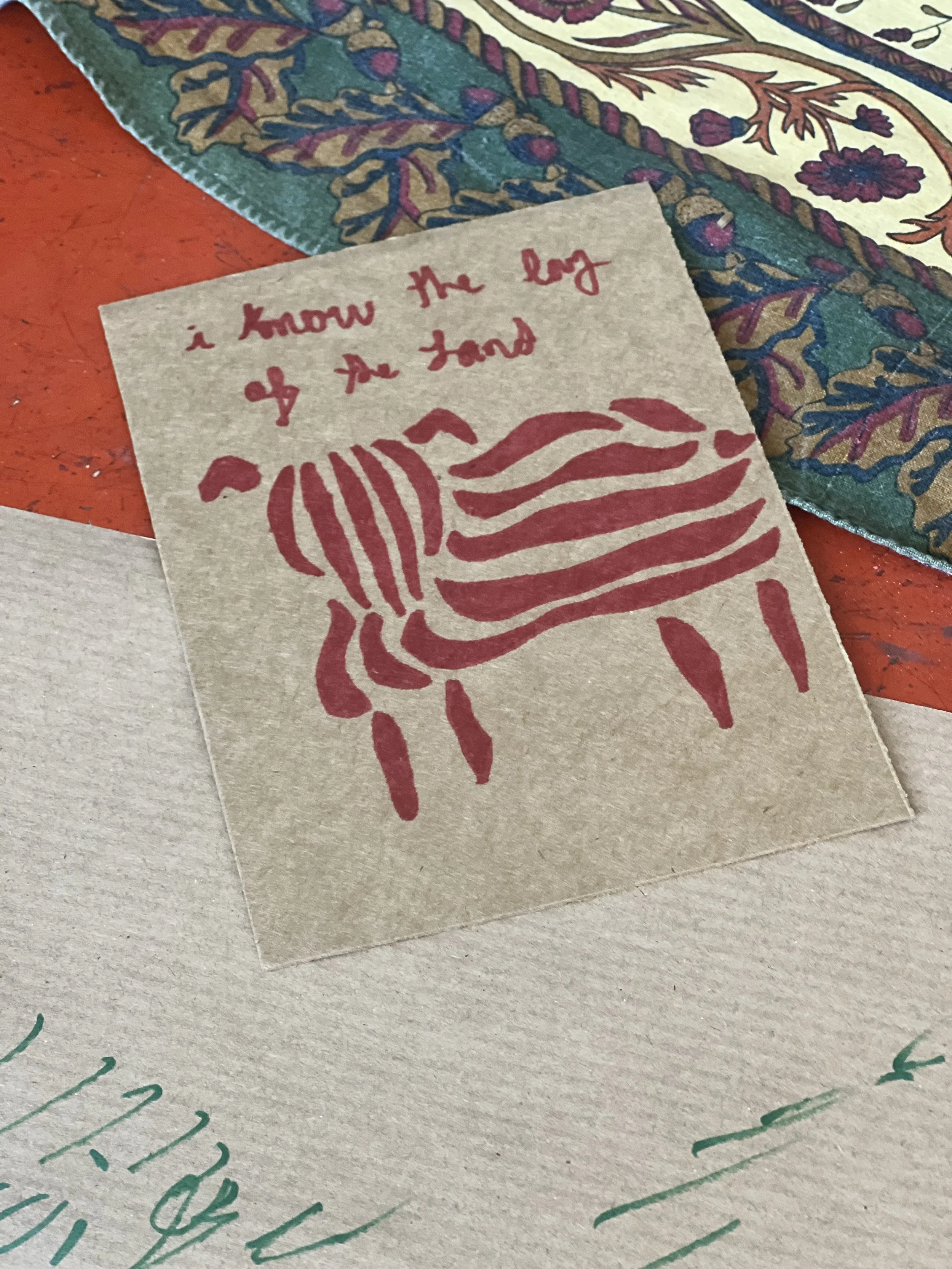
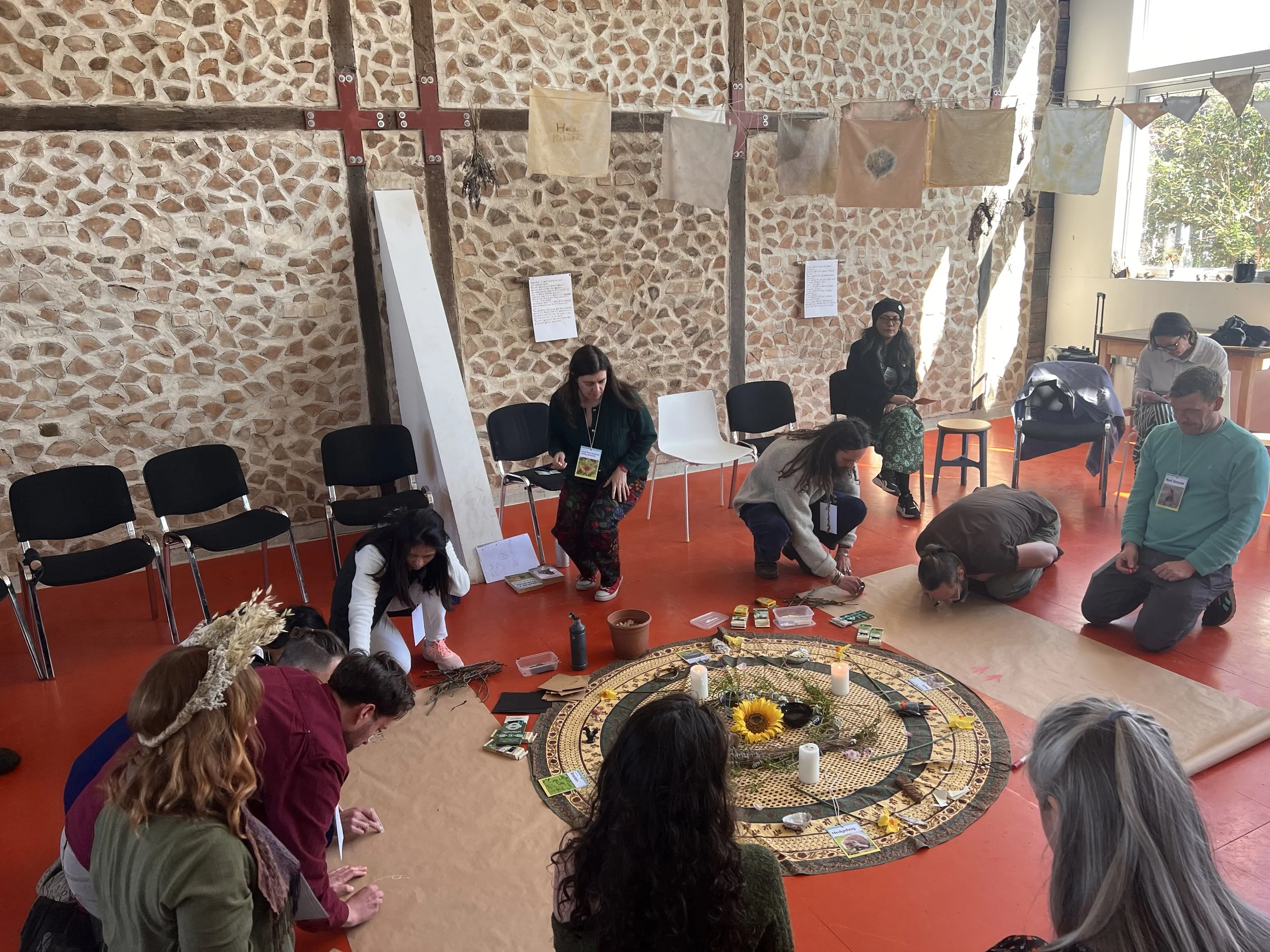
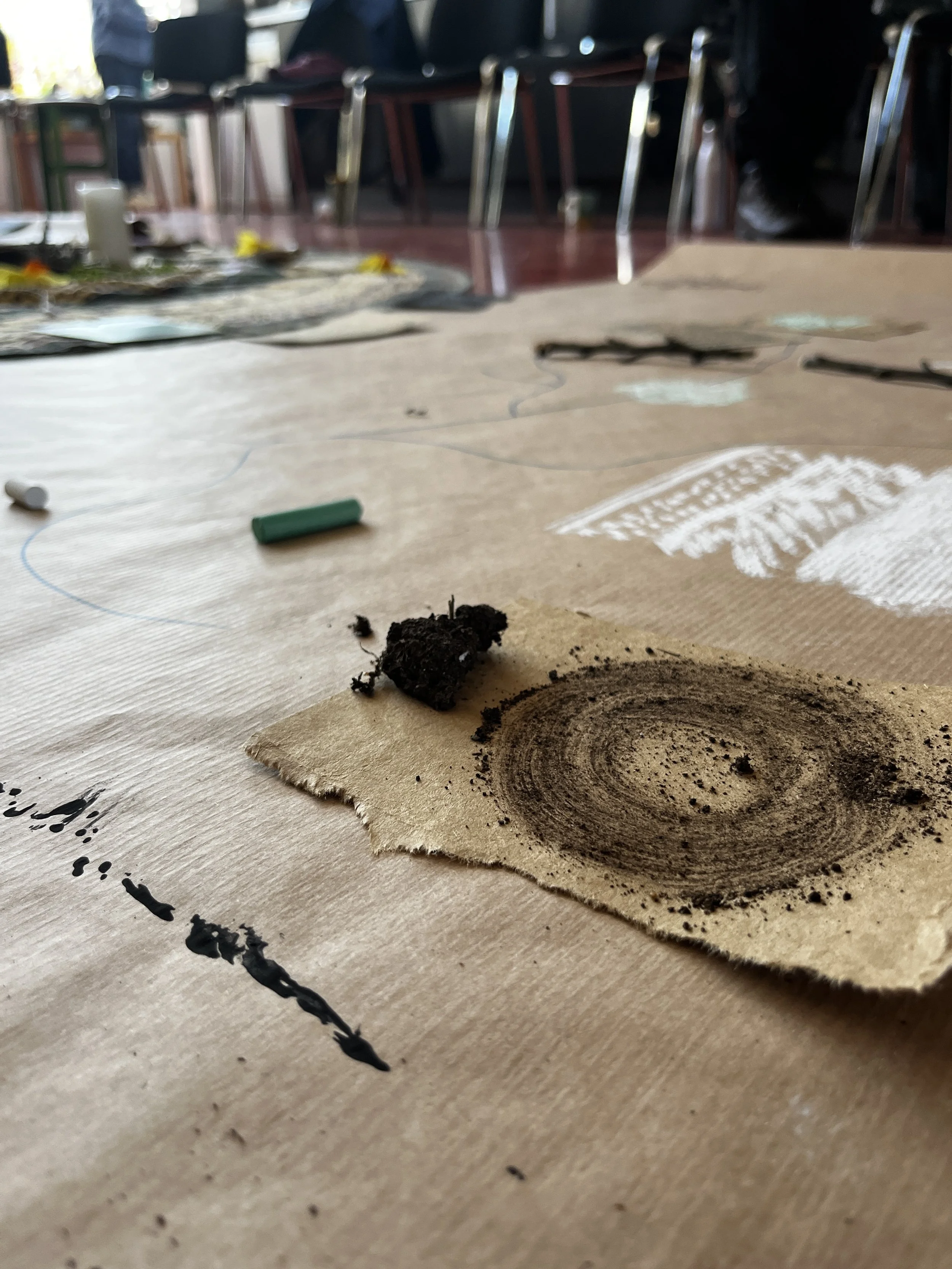
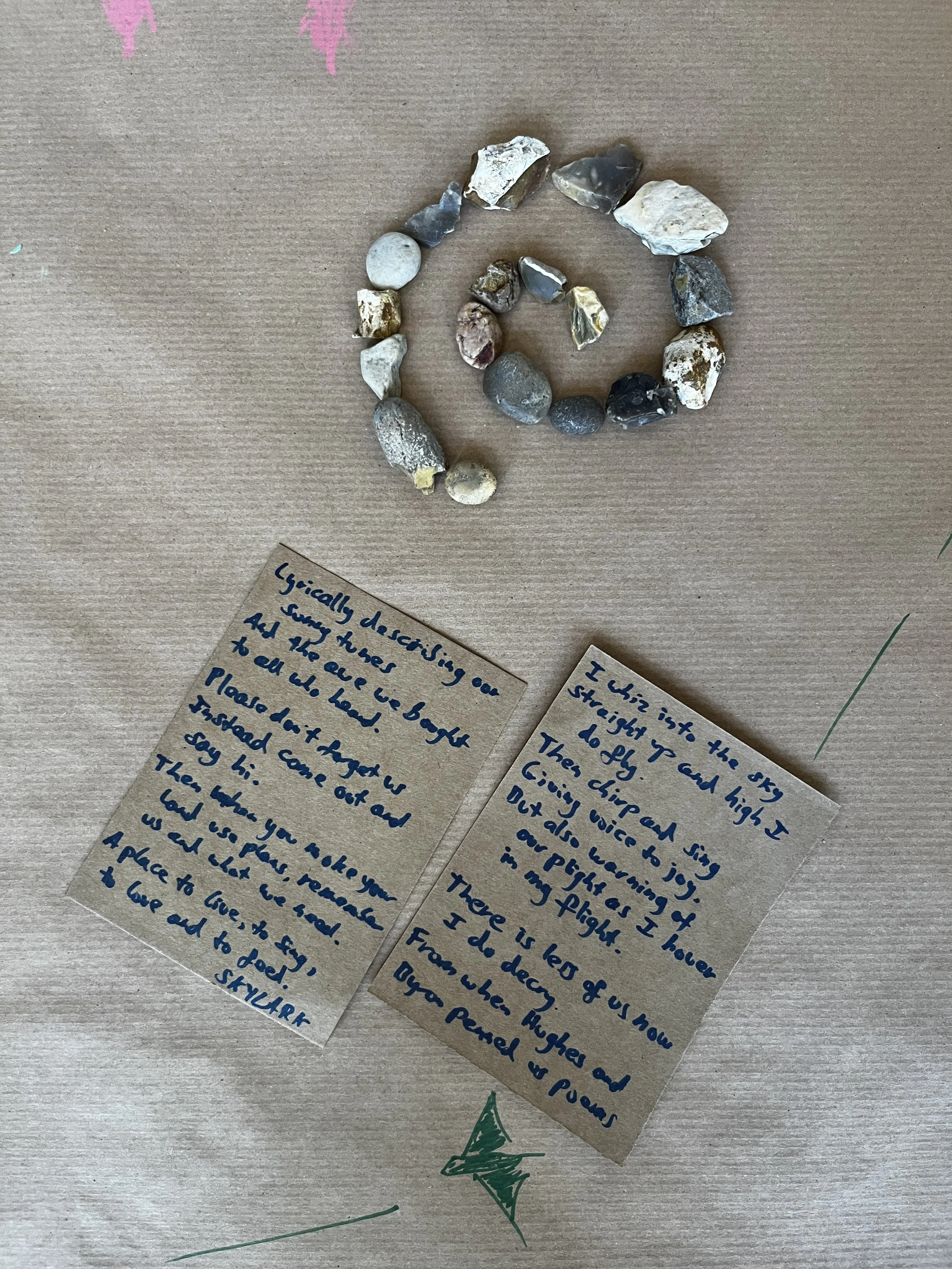
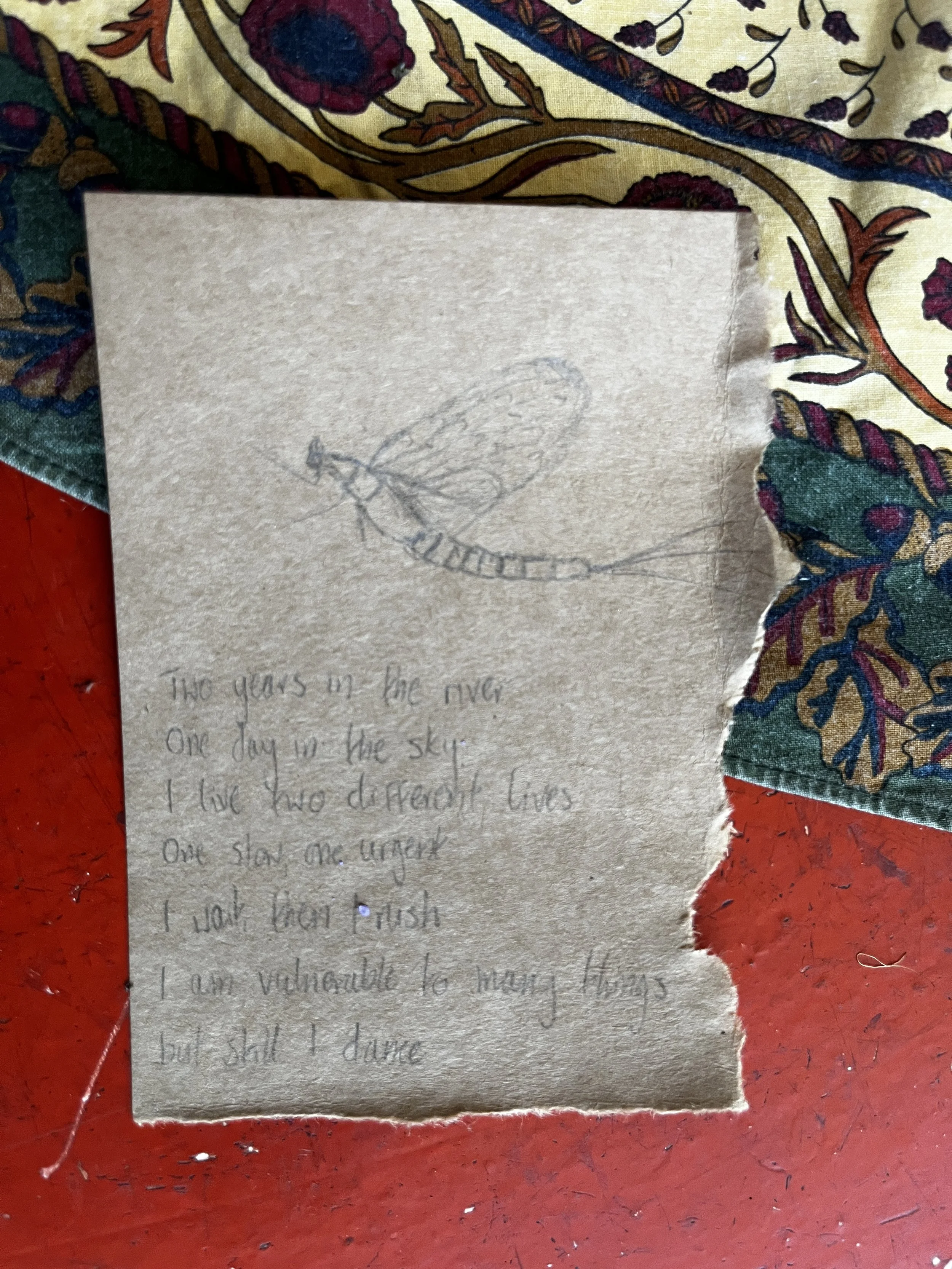
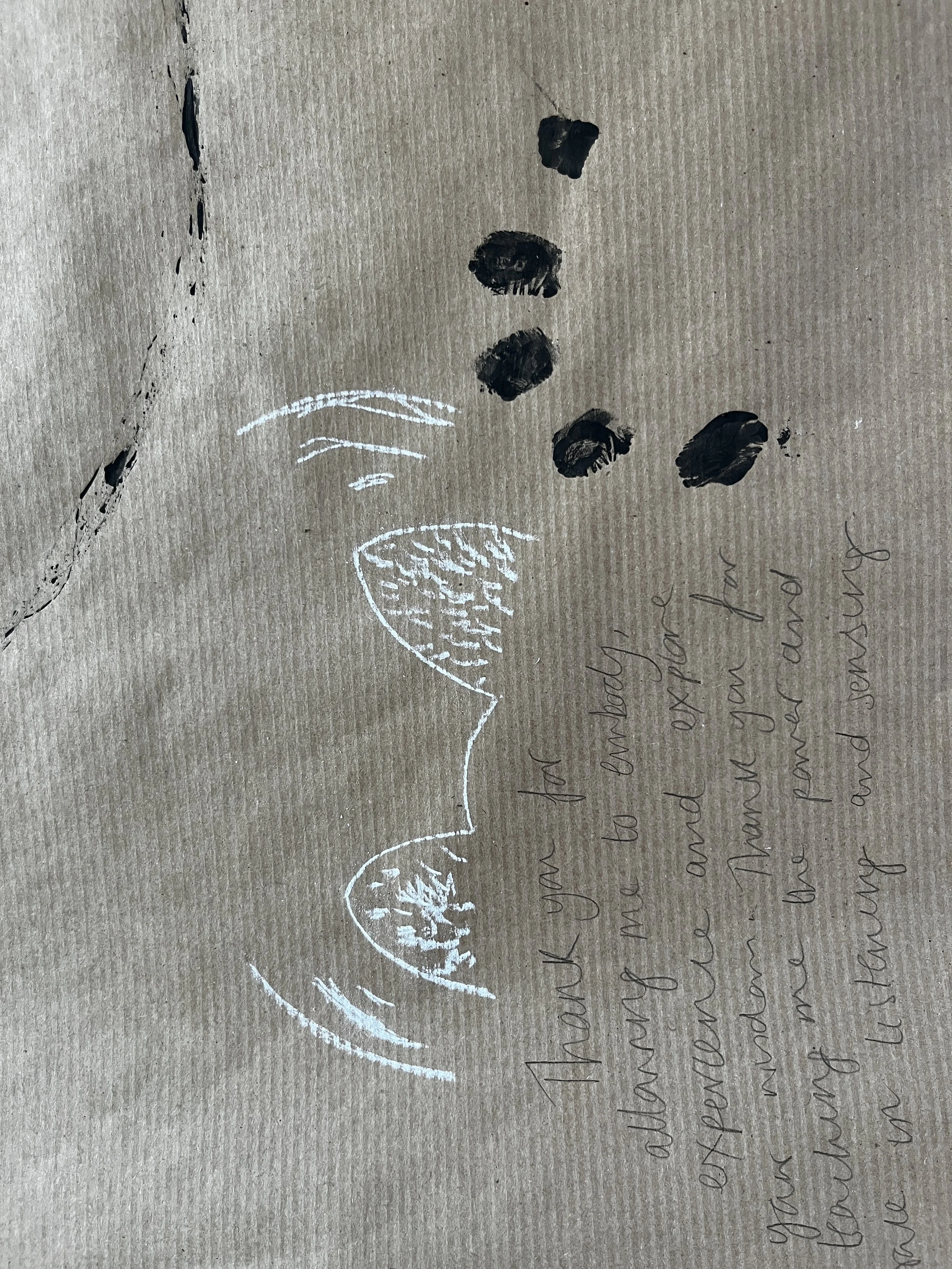
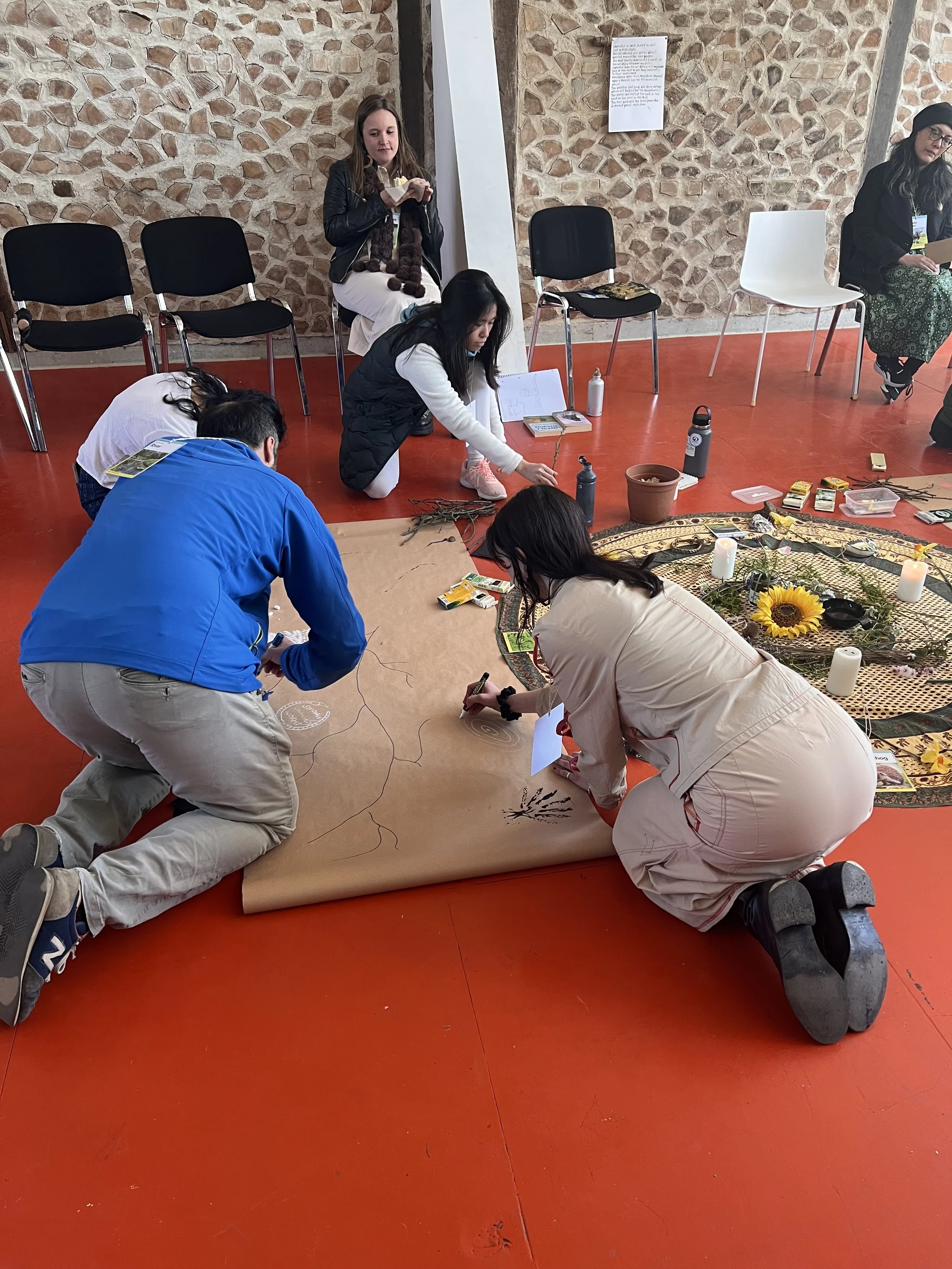
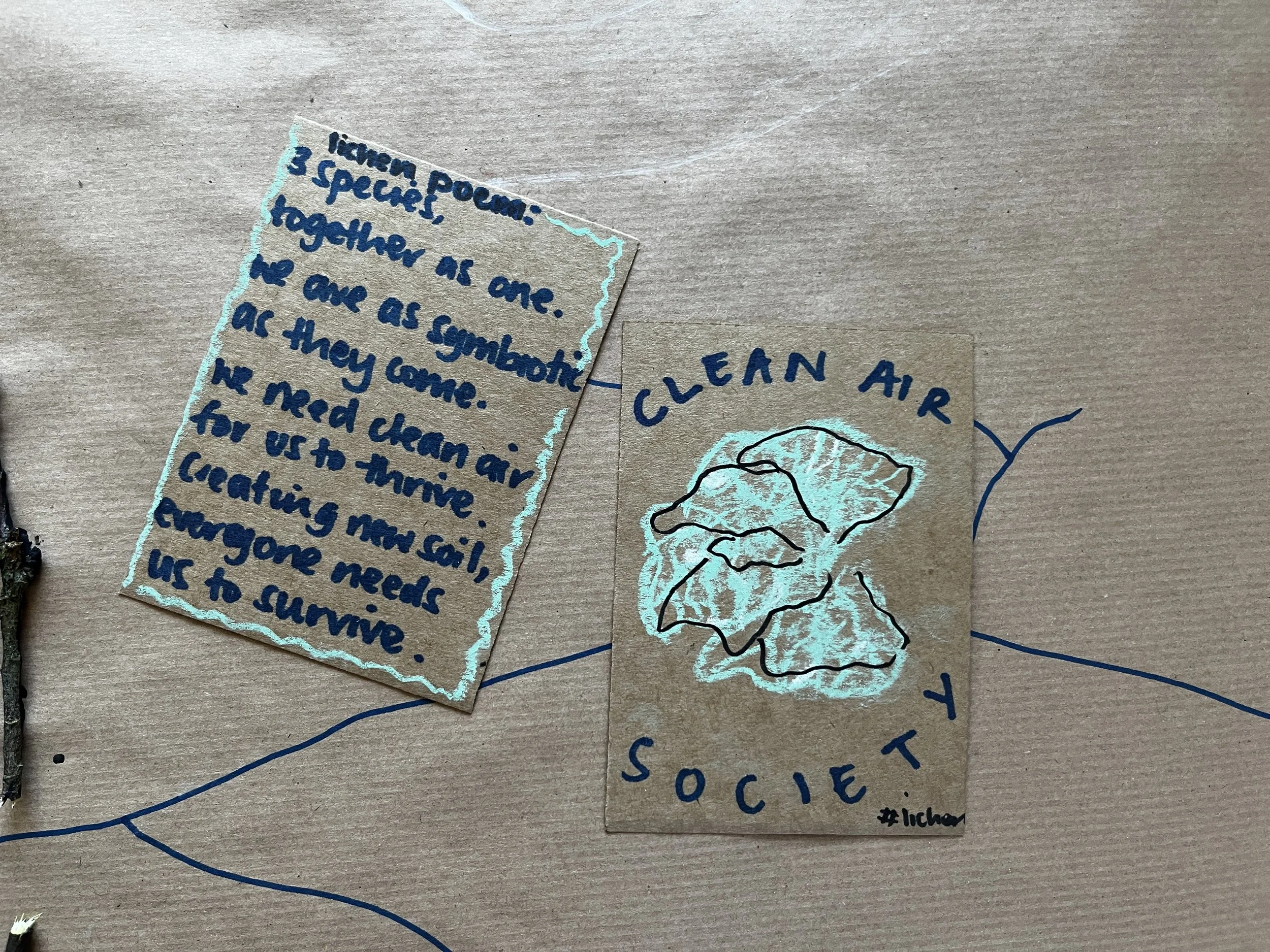
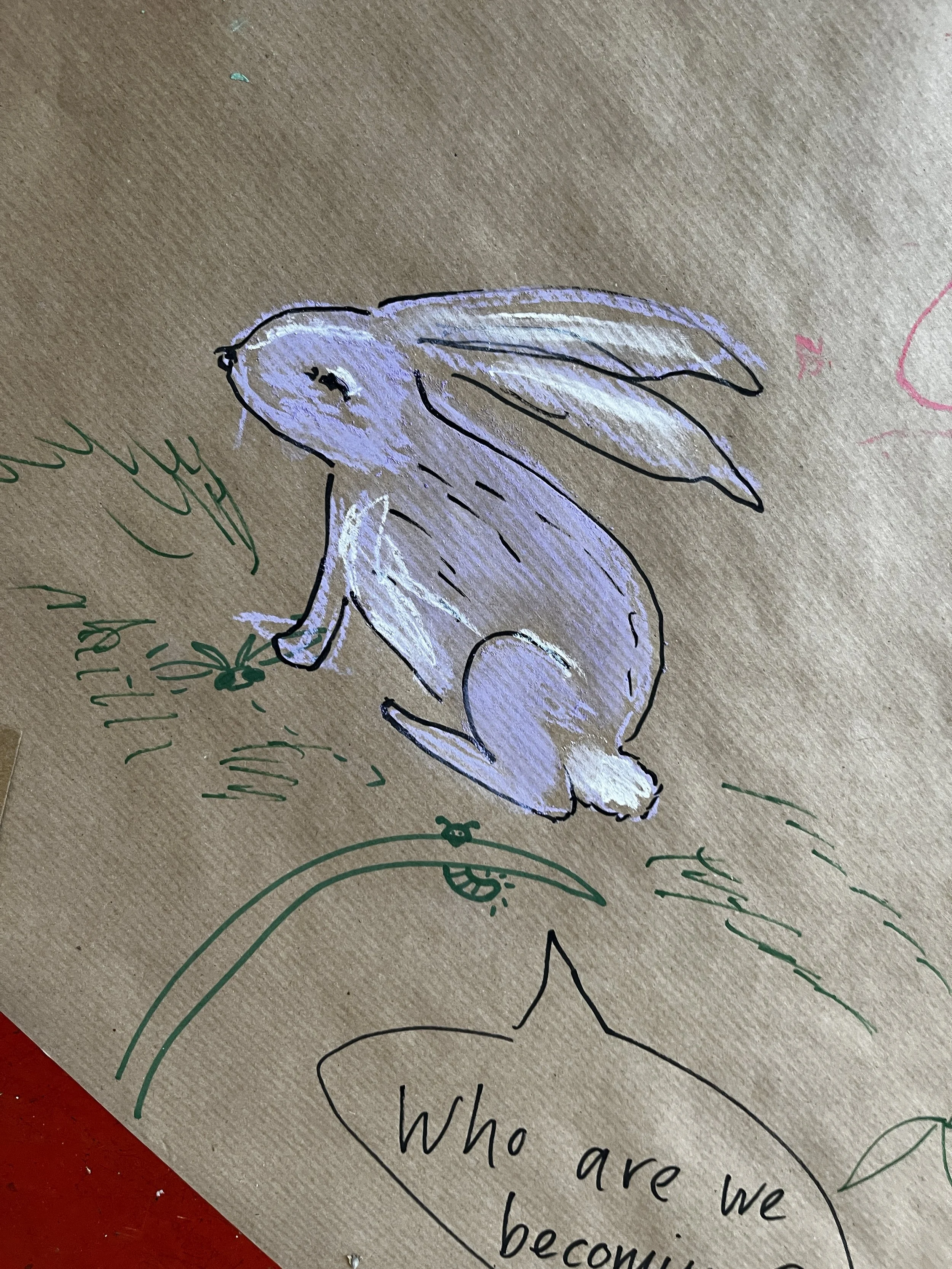
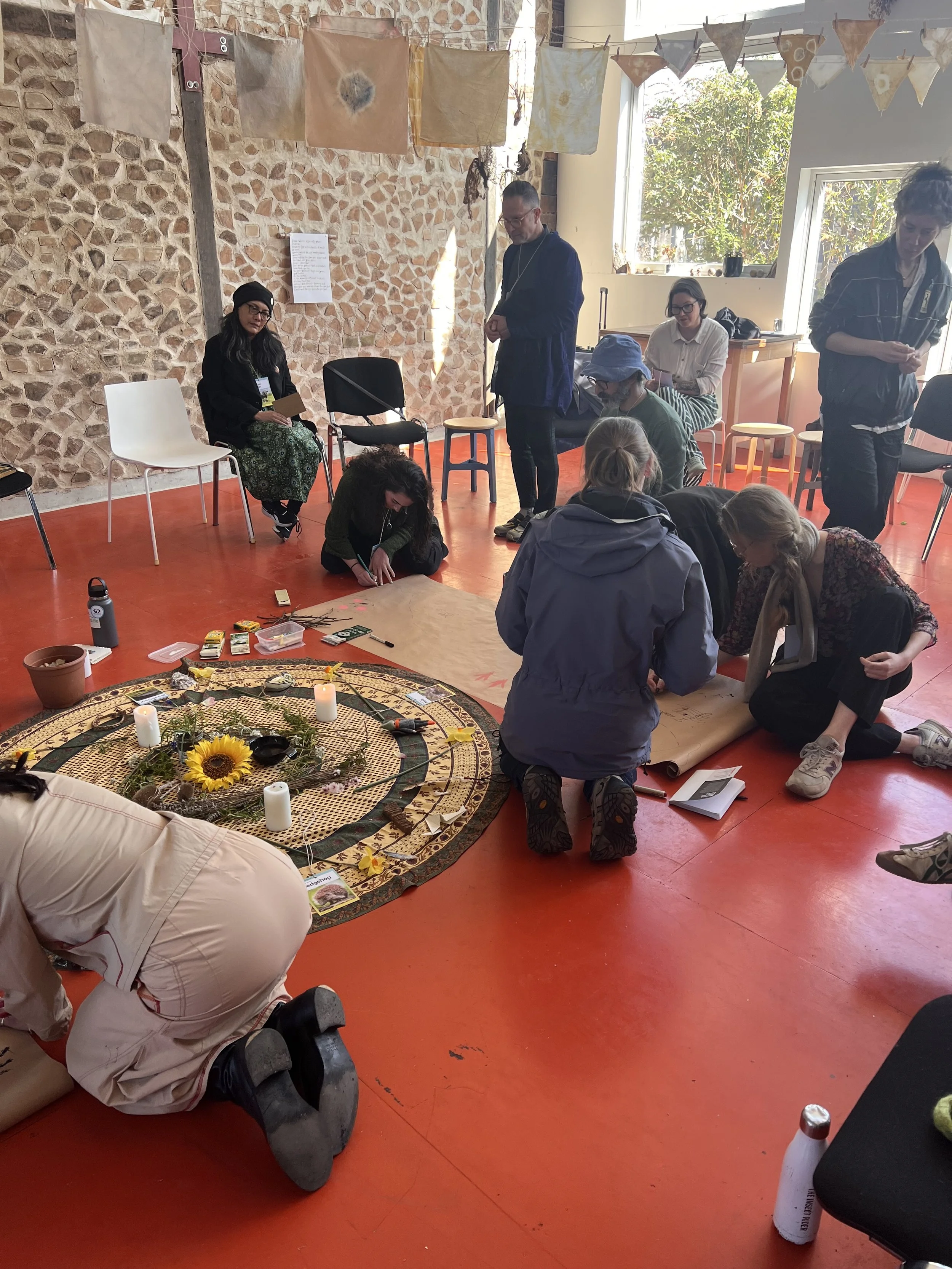
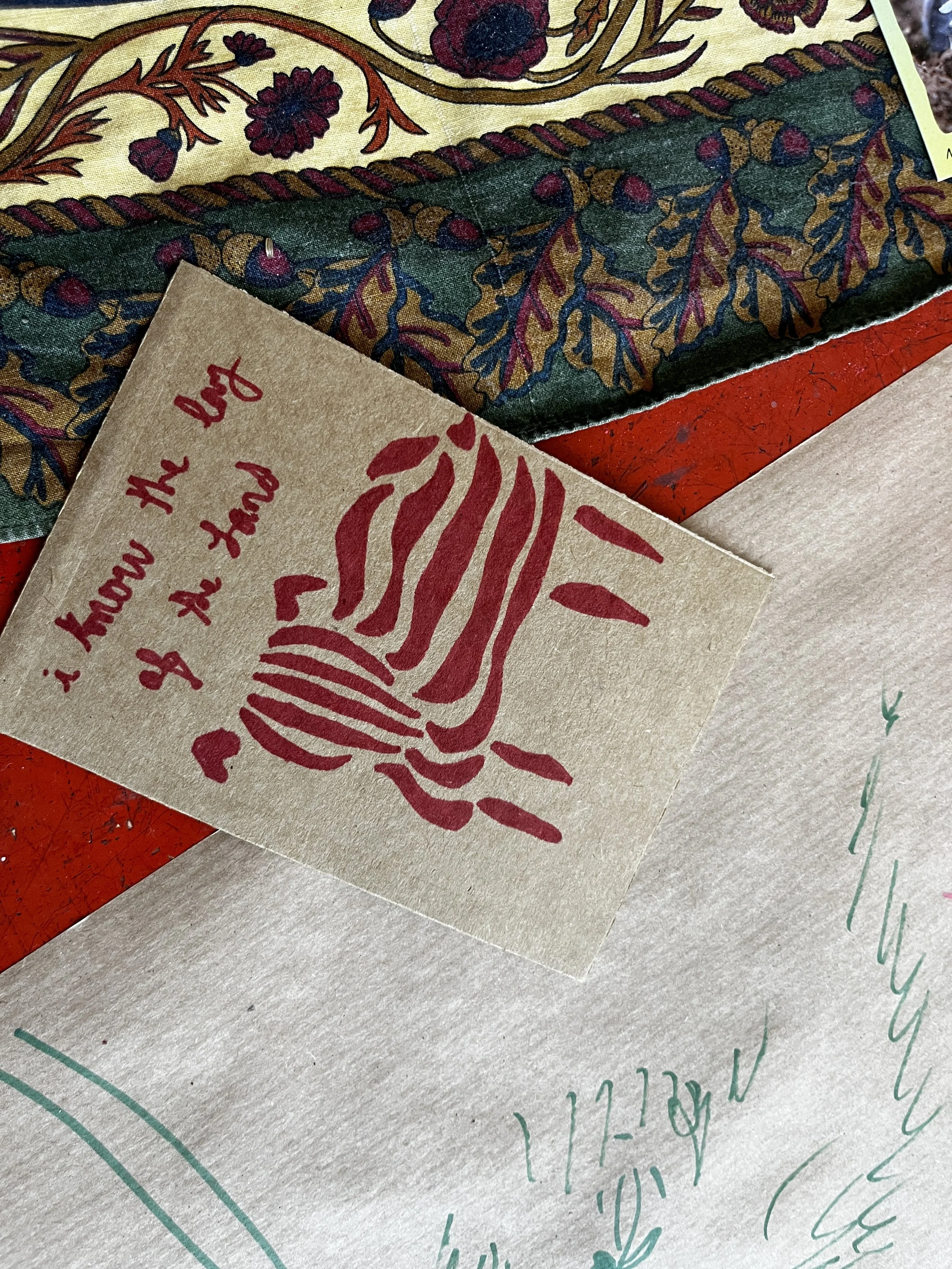
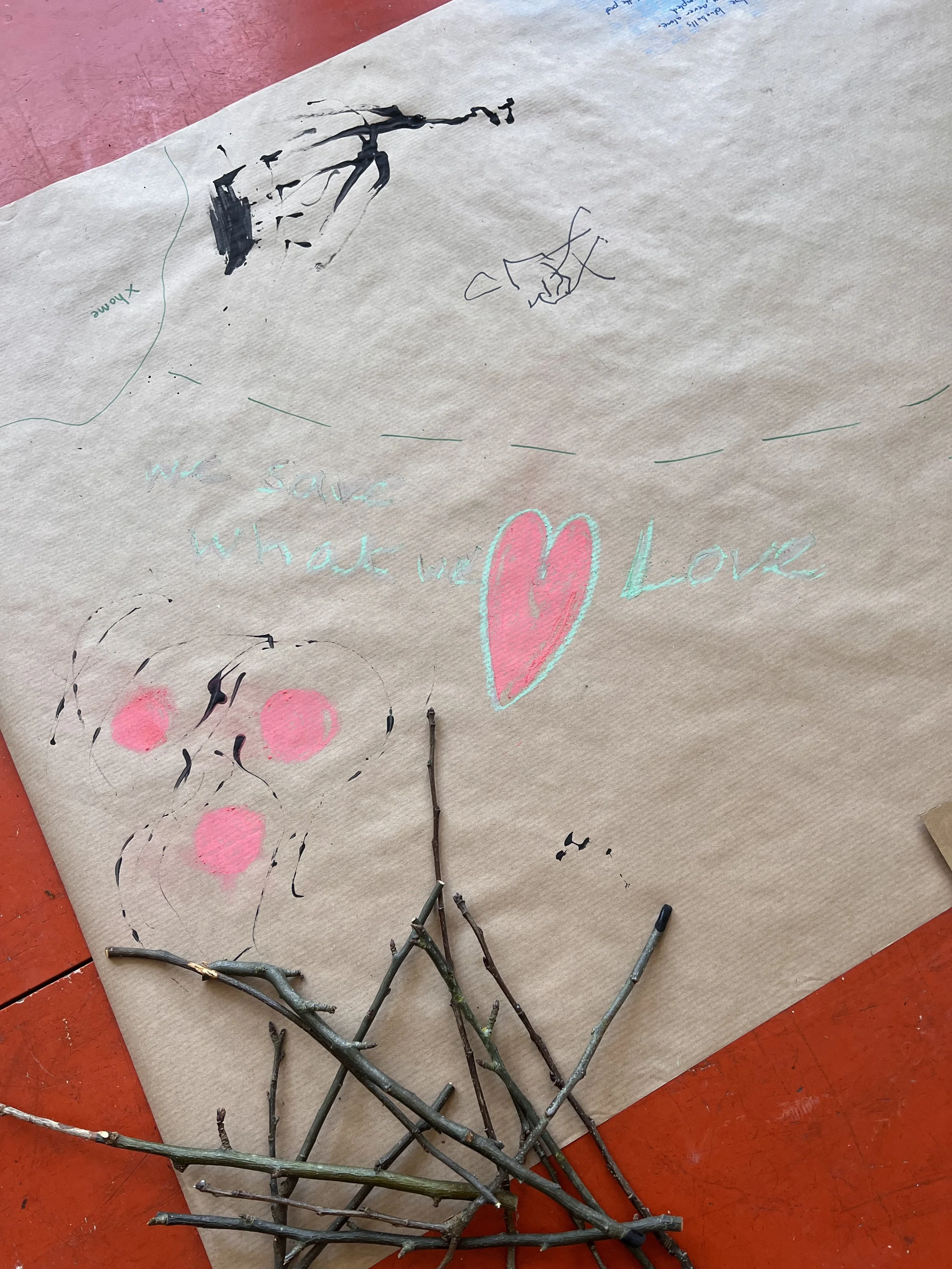
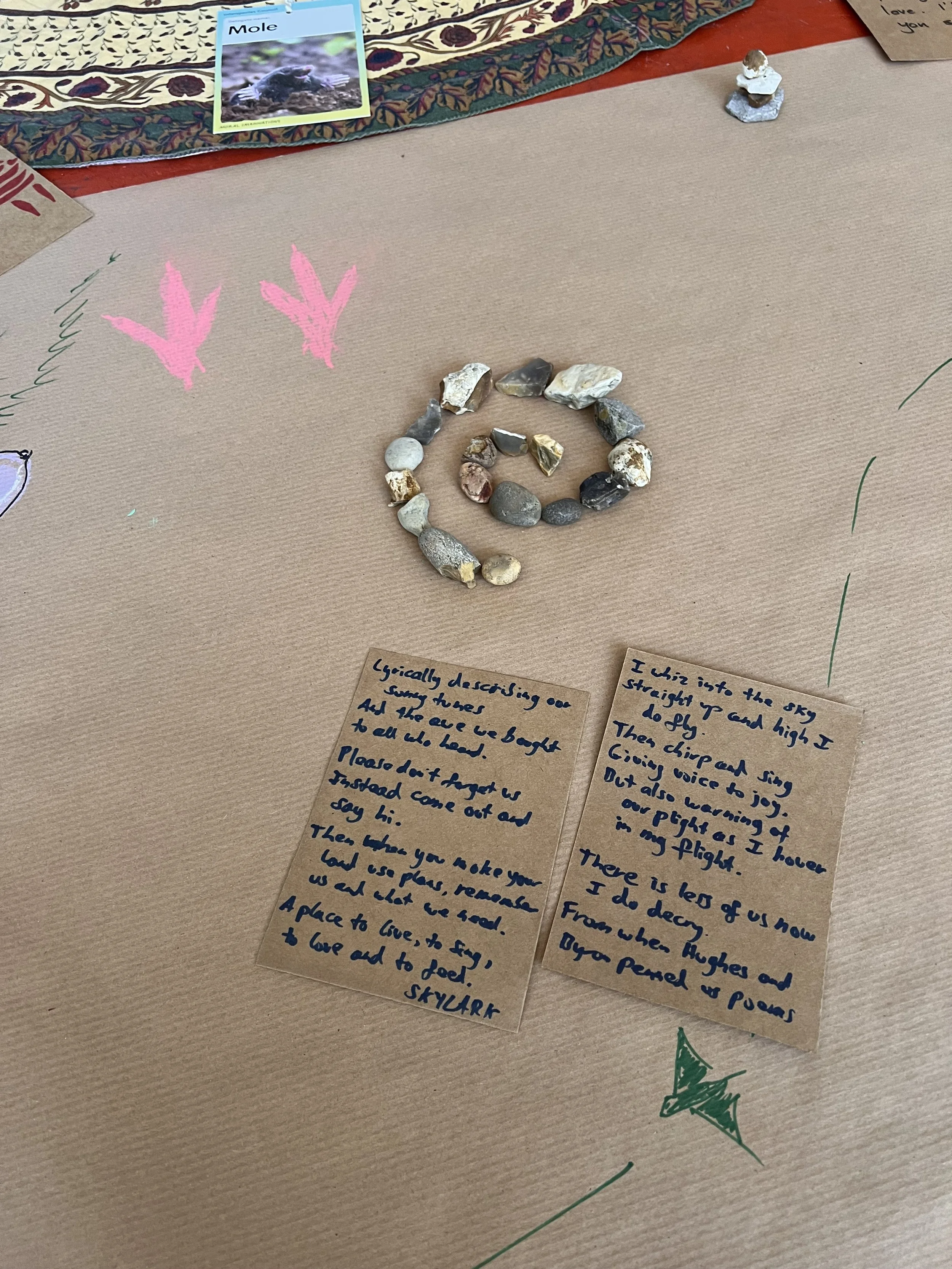
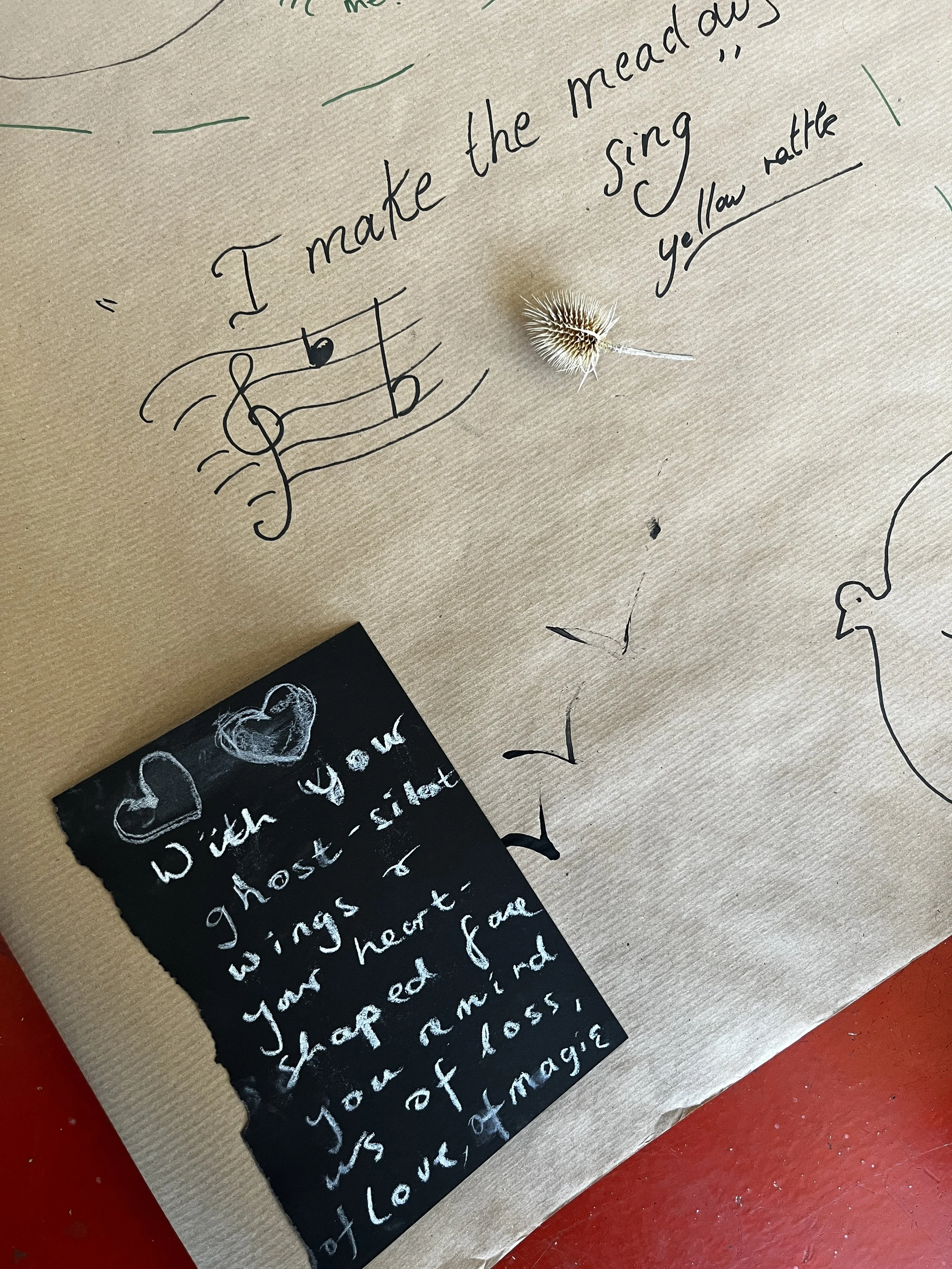
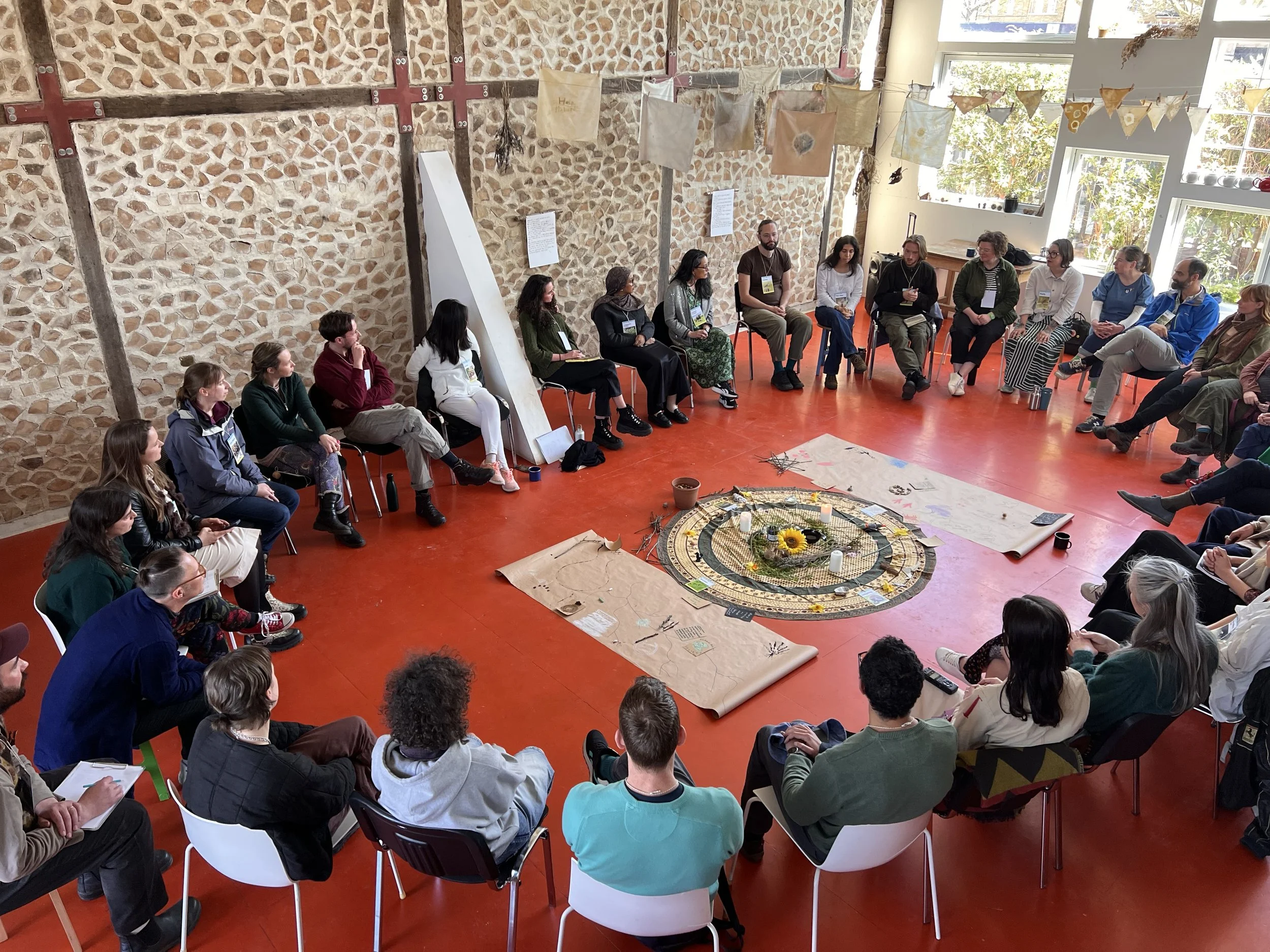
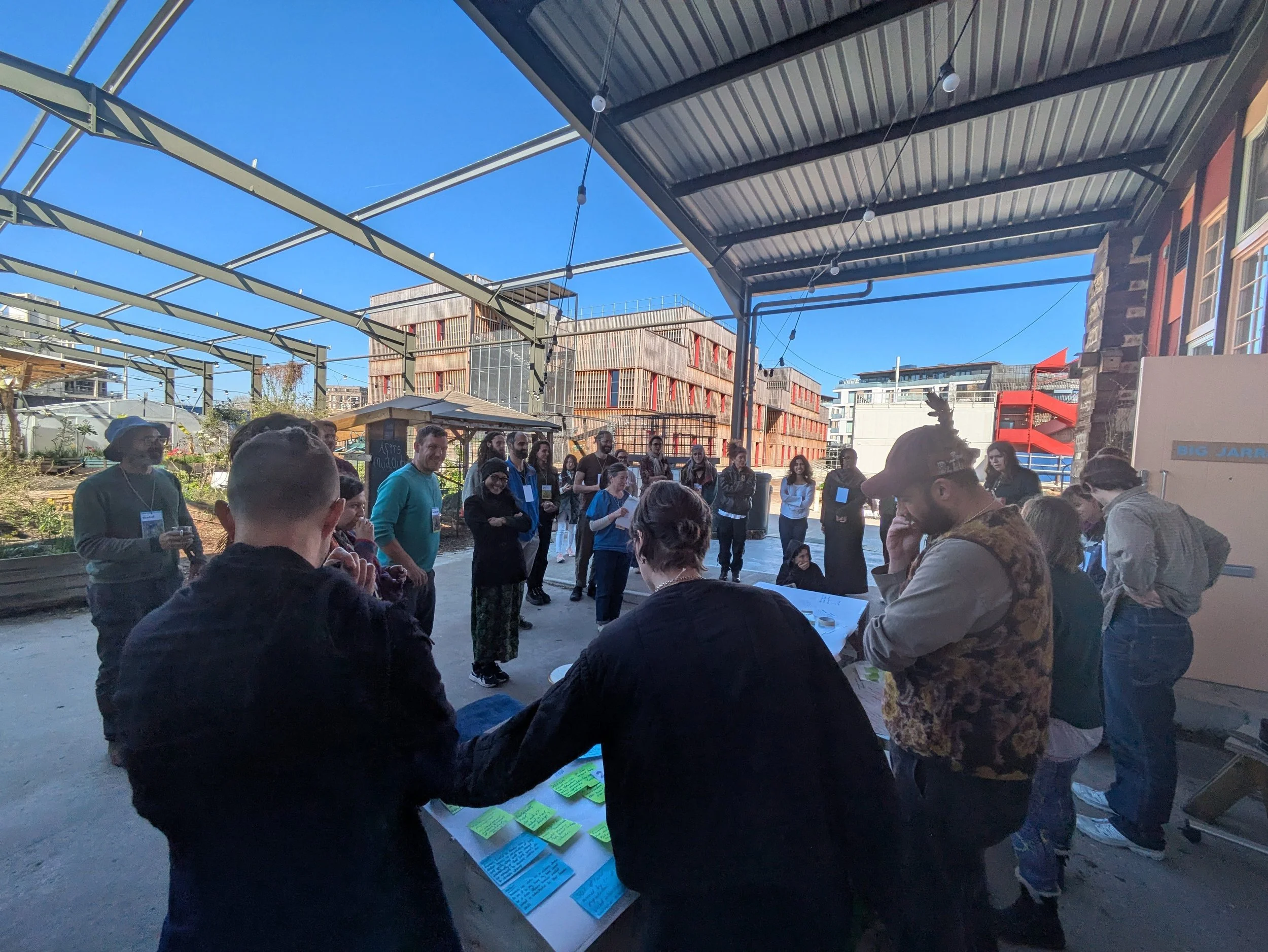
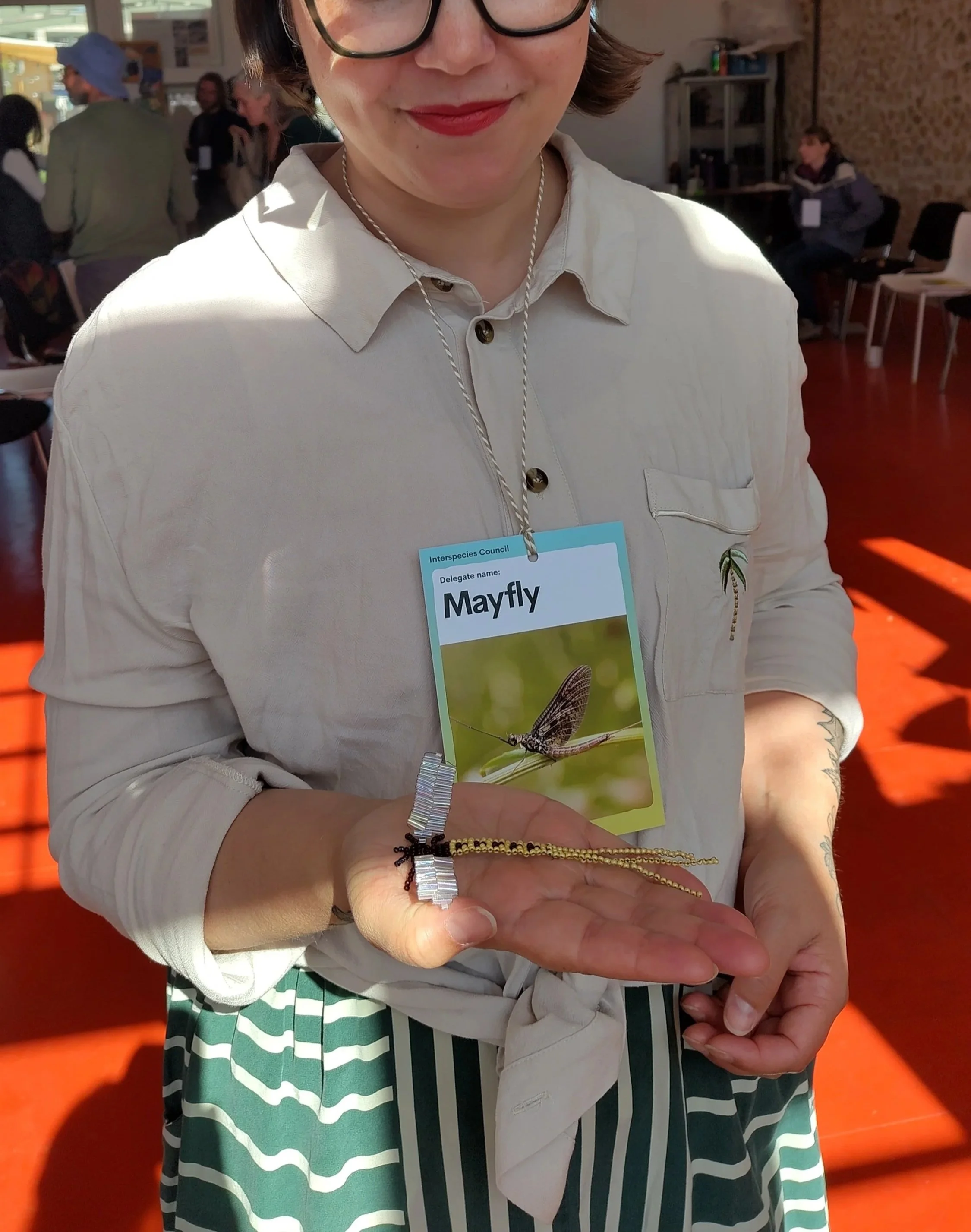
So we partnered with Foodrise and wyrd futures to host an Interspecies Council in London – bringing 35 more-than-human beings into the policy conversation. Oak and river, earthworm and pig, mayfly and moss were each represented by human participants in deep listening and embodied storytelling, sharing what they needed from the land and from us.
This process invites more-than-human voices into the policy-making conversation. It recognises the simple truth: humans are not separate from nature, but deeply embedded within it. Our health, food systems, futures and stories are bound to the lands, waters, and beings we live alongside.
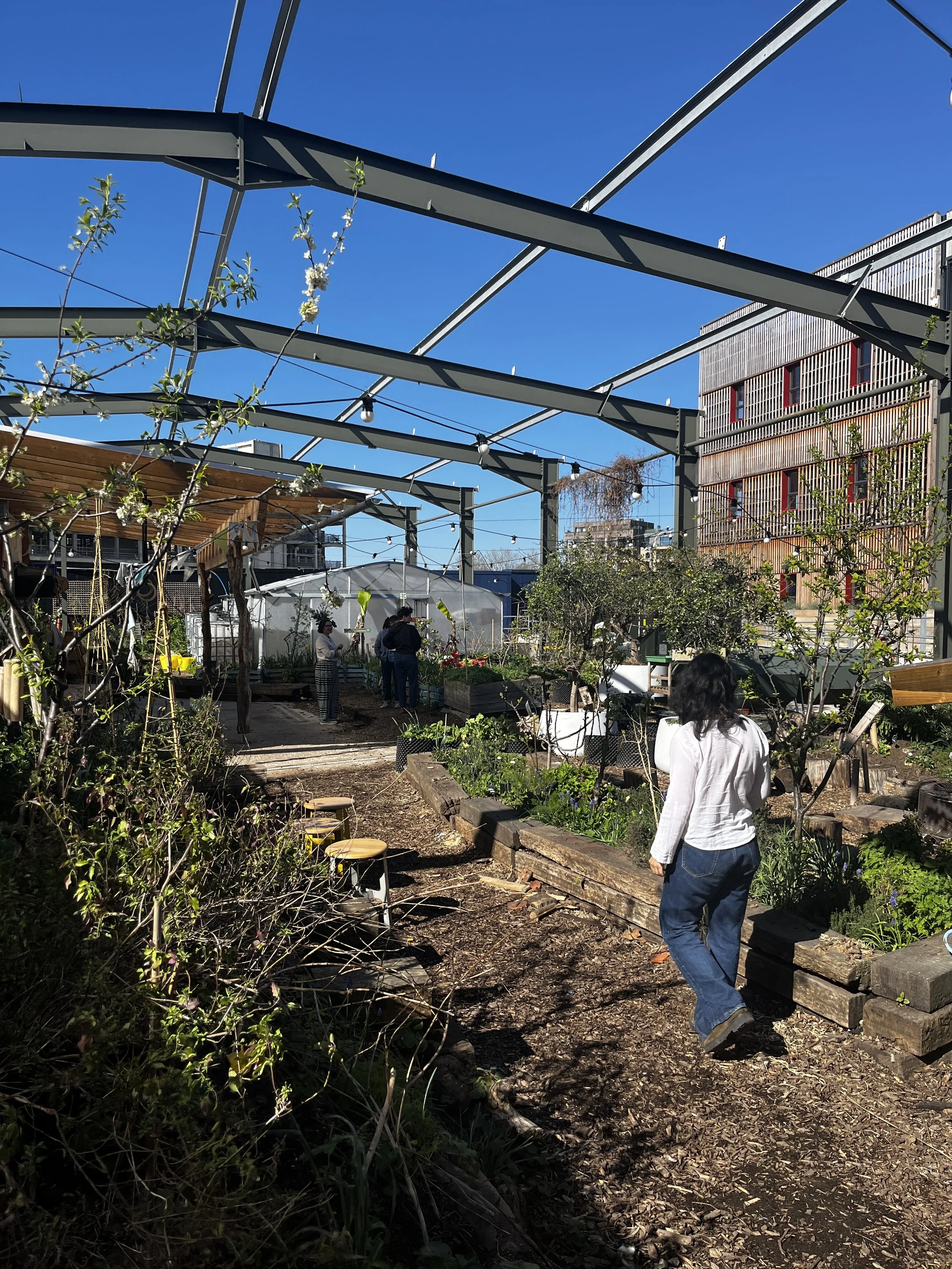
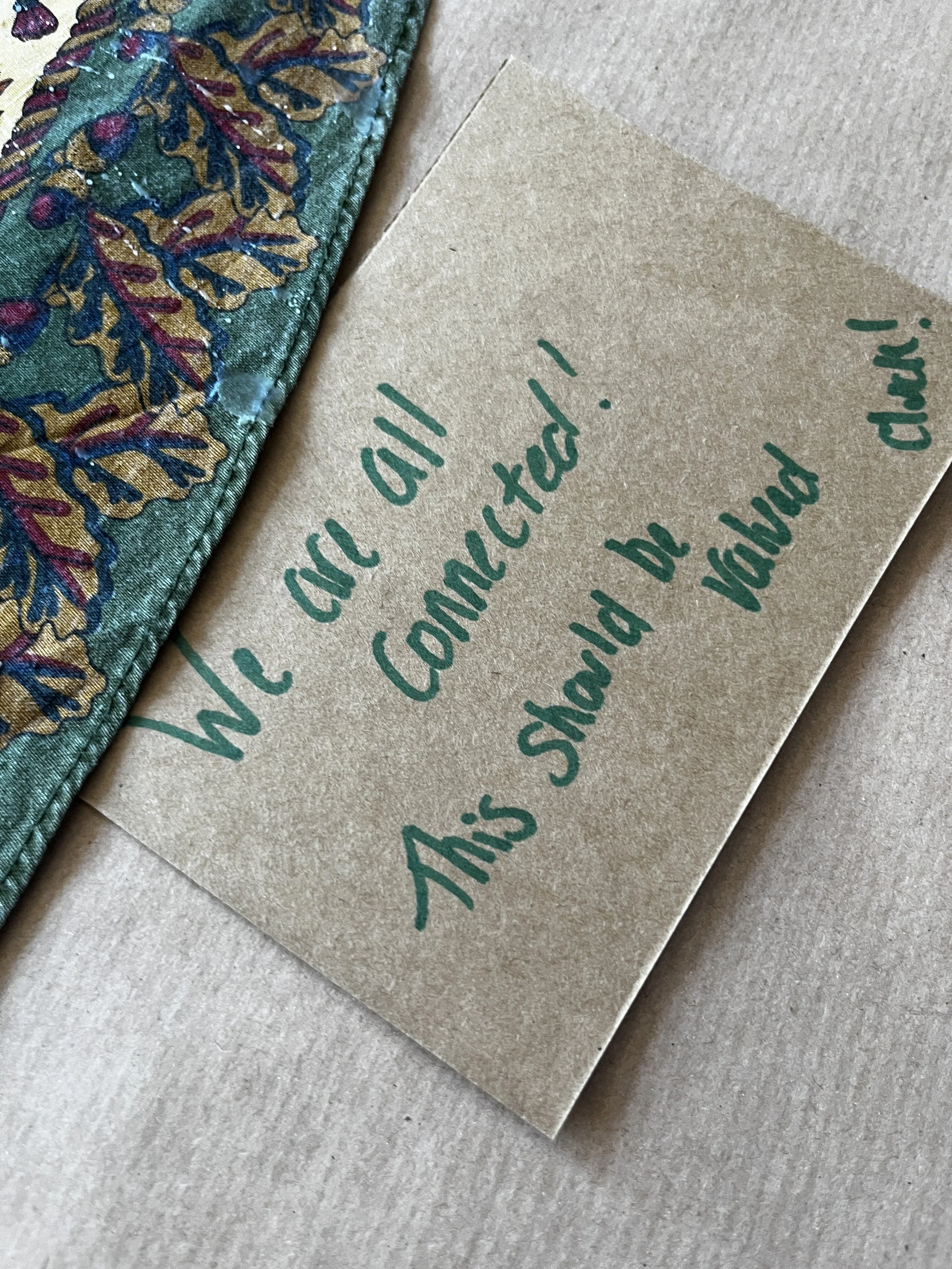
What emerged was a collective cry for transformation:from land as resource to land as relationship; from ownership to responsibility; from short-term extraction to partnership with the living world. For many in the room, it was deeply moving.
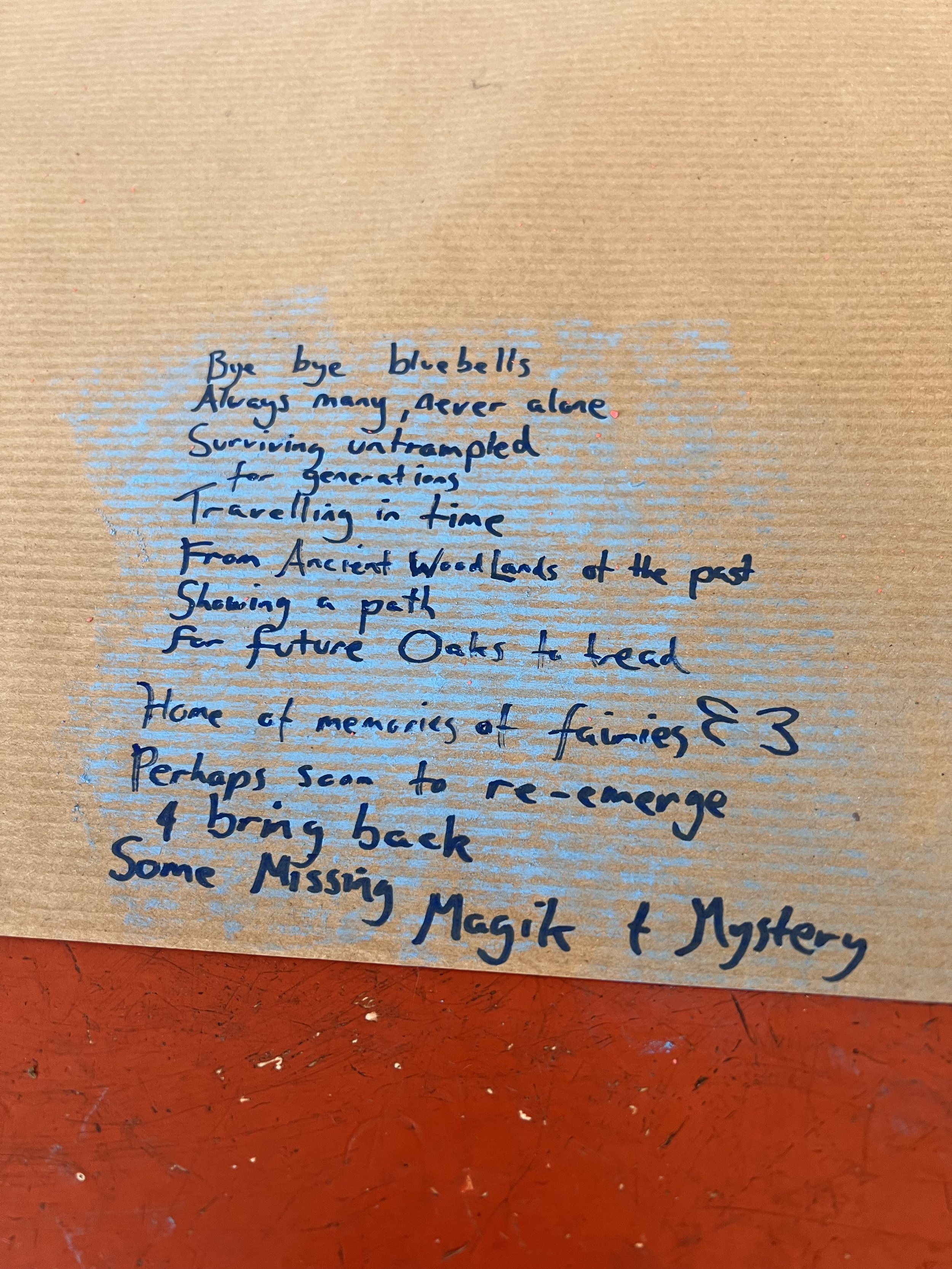
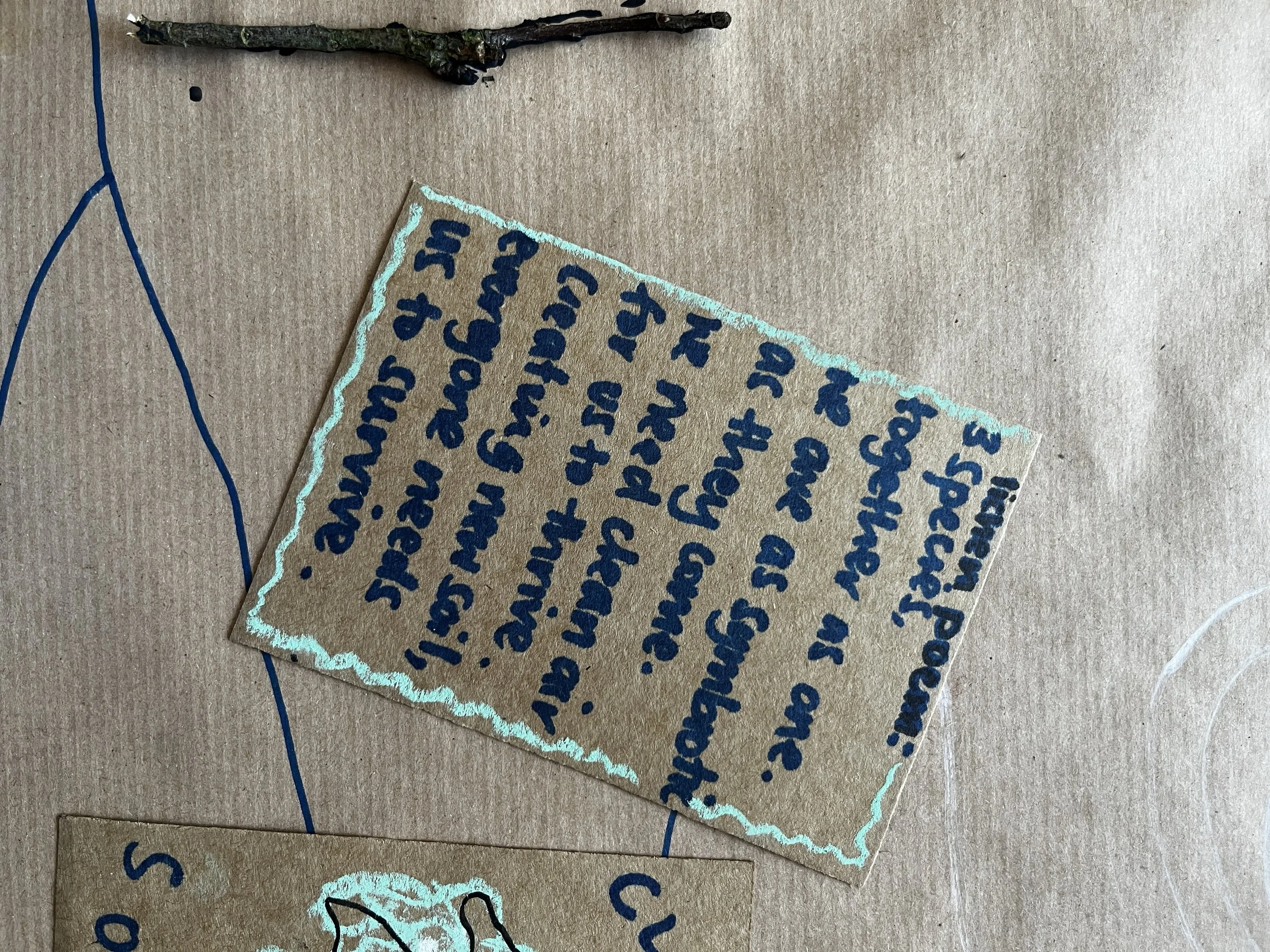
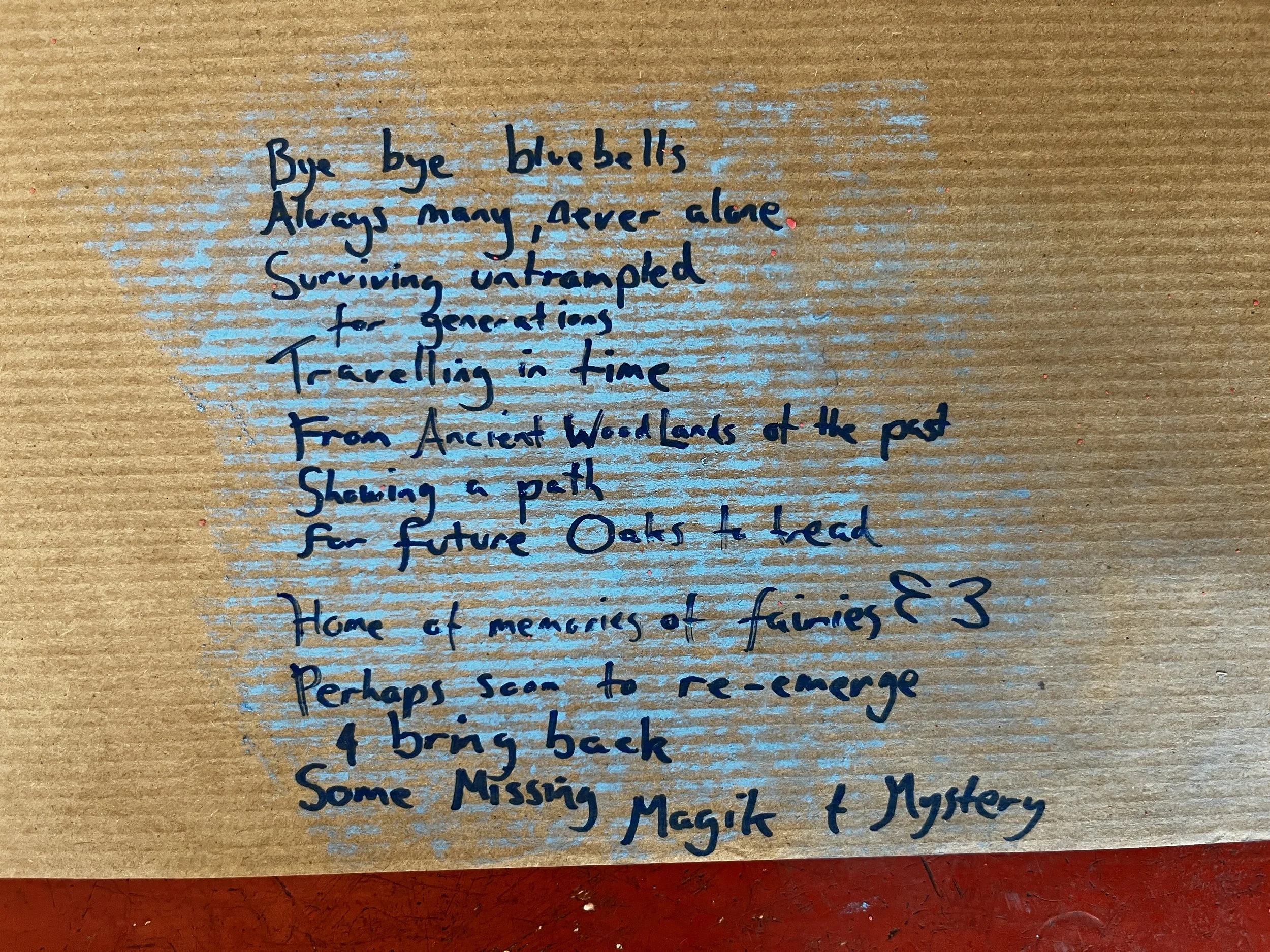
From that Council, we worked together to craftea formal submission to the Land Use Framework drawn entirely from the voices of the species – and submitted it to Defra. Word has since reached them that their response stood out, sparking conversations among civil servants working on the framework and prompting them to question the language and framing used around ‘land use’ and ‘ownership’, as well as deeper premises such as timescales and limits to growth.
The final Land Use Framework came out in Autumn 2025. Whether Defra listens to the voice of earthworm or river remains to be seen – but this project demonstrated what becomes possible when governance centres not just human life, but all life.